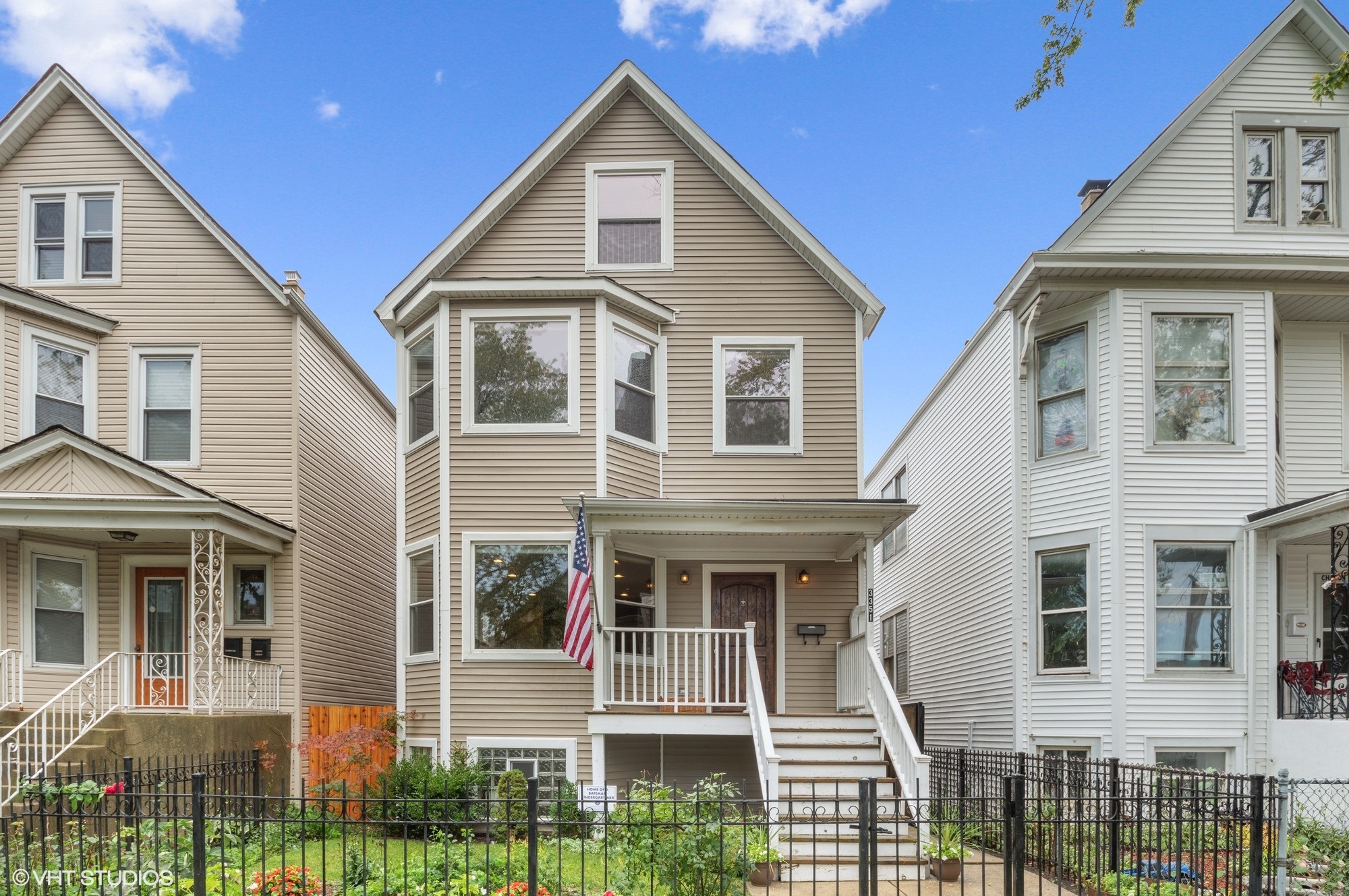
Area InsightsBuyers January 8, 2026

Great Chicago Neighborhoods for First-Time Homebuyers to Consider

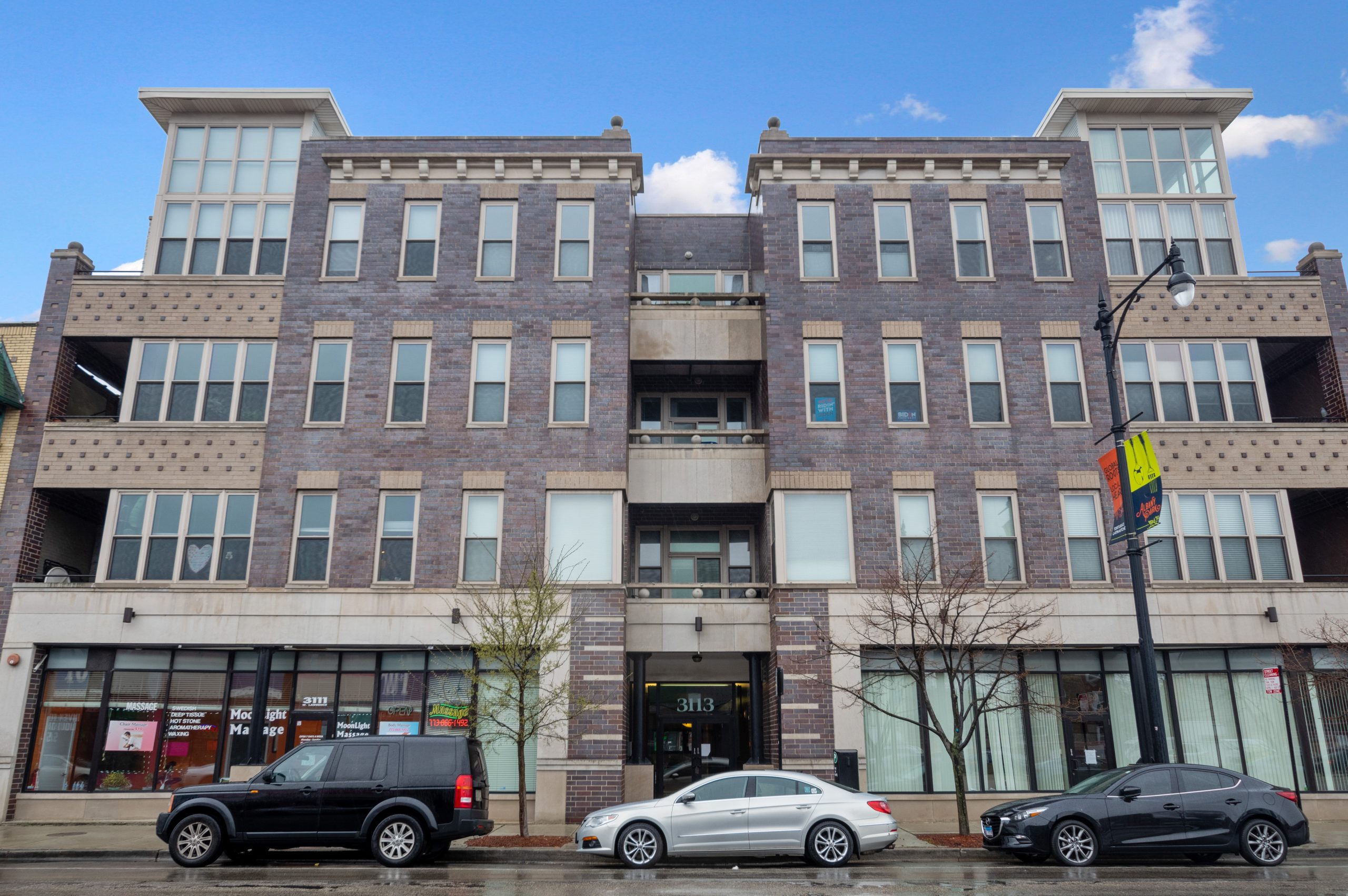
Buying your first home in Chicago is exciting—and yes, a little overwhelming. Between neighborhood options, commute questions, home types, budgets, and financing, there’s a lot to sort through. Fortunately, Chicago offers a wide range of communities with different vibes, housing options, and price points, so you can find a great fit without sacrificing your lifestyle goals.

Below, I’ll walk you through several Chicago neighborhoods many that offer great value, location, and affordability—Portage Park, Albany Park, Norwood Park, Edgewater, Ravenswood, and Roscoe Village. In addition, I’ll share practical buying tips, commute insights, and resources to help you make a confident move.


What First-Time Buyers Typically Look for in Chicago

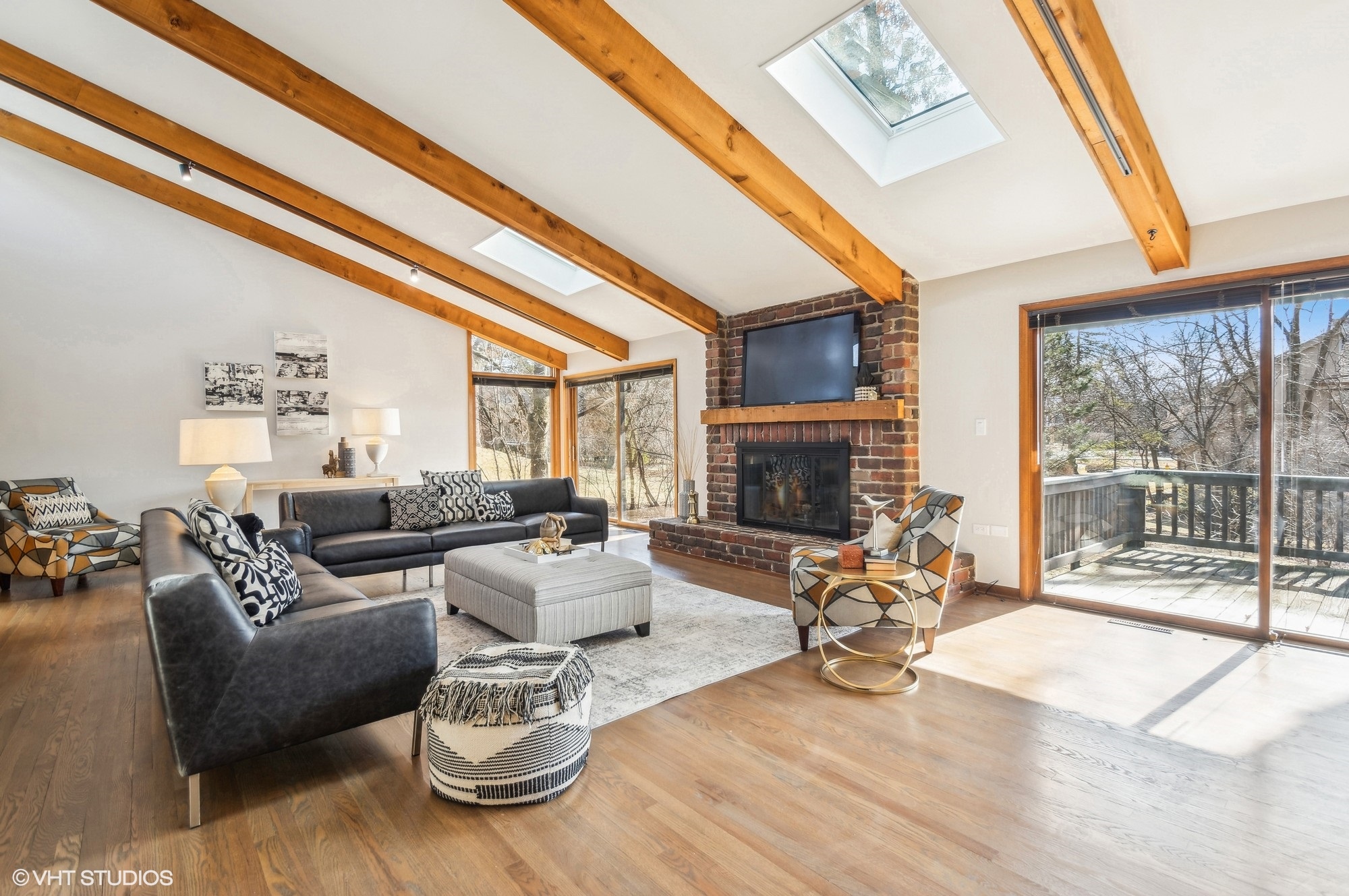
When planning your first purchase, it’s helpful to know what most buyers prioritize. For example, affordability and value often top the list, followed closely by commute convenience and access to public transit. Moreover, home type matters—whether you’re leaning toward a condo, townhome, or single-family home. Beyond that, many buyers also consider neighborhood amenities, future resale potential, and low-maintenance options.

As you’ll see, Chicago neighborhoods offer a mix of these features, making it easier to find a home that fits your lifestyle.


Neighborhoods to Consider

Albany Park

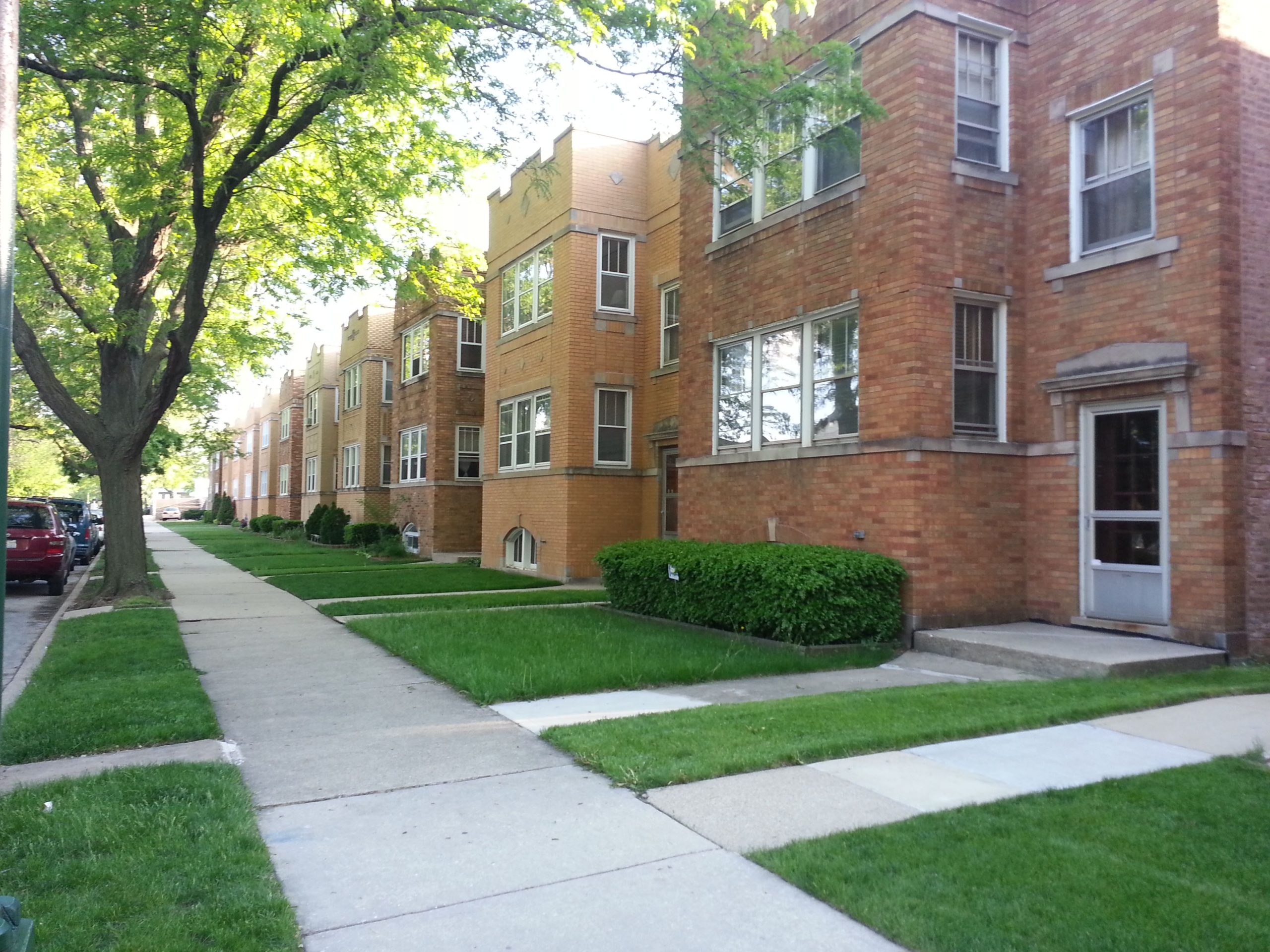
First, let’s look at Albany Park. Located on the Northwest Side, this neighborhood offers strong transit access via the Brown Line and multiple bus routes. In addition, you’ll find a mix of vintage condos, two-flats, and single-family homes, along with plenty of dining options. Overall, Albany Park feels diverse, community-oriented, and practical for buyers who want value and convenience.


Edgewater

Next, consider Edgewater. Situated along the lakefront on the North Side, Edgewater offers beaches, parks, and easy Red Line access. Furthermore, the housing mix includes condos, vintage flats, and mid-rise options. If you’re looking for lakefront living combined with urban convenience, Edgewater is worth exploring.


Norwood Park

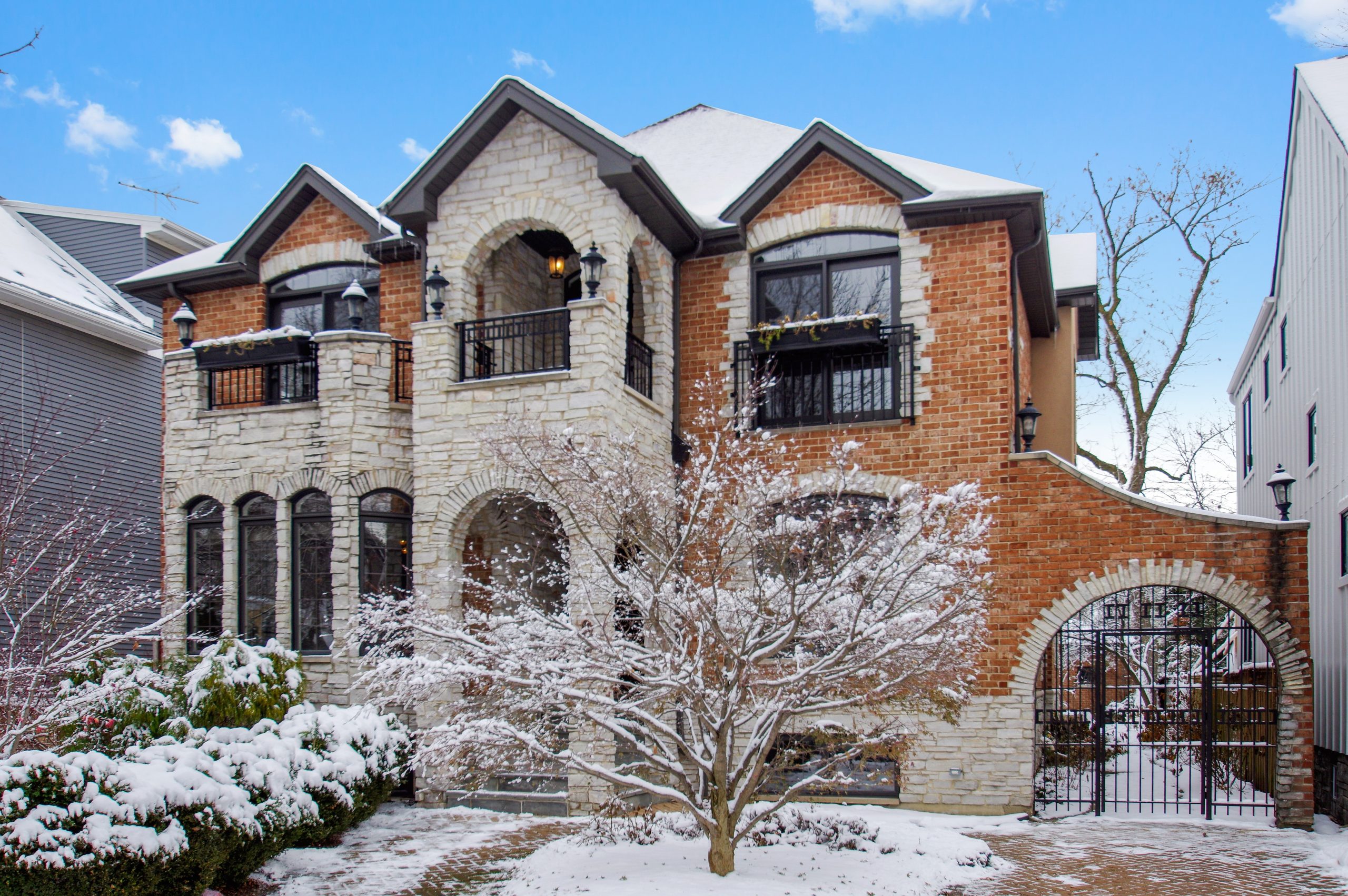
Moving farther northwest, Norwood Park provides a calm, residential atmosphere. It offers Metra access, proximity to O’Hare, and larger lots—ideal for buyers who want space and an easy driving commute. Additionally, its suburban feel within city limits appeals to those seeking a quieter lifestyle without leaving Chicago.


Portage Park

Another great option is Portage Park. Known for its iconic park and strong sense of community, this neighborhood features classic bungalows, two-flats, and condos. Plus, it’s convenient for Blue Line riders and Kennedy Expressway commuters. If you value neighborhood amenities and a variety of home types, Portage Park delivers.


Ravenswood

Now, let’s talk about Ravenswood. Located near Lincoln Square, Ravenswood combines charm and convenience. It offers Metra and Brown Line access, tree-lined streets, and vintage architecture. In addition, the area is walkable and filled with local dining and retail options, making it a favorite for buyers who want character and connectivity.


Roscoe Village

Finally, Roscoe Village offers a lively, neighborhood-focused vibe. Situated in North Center, it’s known for walkable streets lined with shops and restaurants. Housing options include condos, townhomes, and single-family homes. If you’re drawn to a village-like atmosphere with easy city access, Roscoe Village is a strong contender.


Condo vs. Single-Family vs. Two-Flat: Which Fits Your Life?

As you weigh your options, it’s important to understand the differences. For instance, condos typically offer lower maintenance and amenities, though HOA fees apply. On the other hand, townhomes provide more space and privacy, while single-family homes give you full control but require more upkeep. Additionally, two-flats allow you to live in one unit and rent the other for income, which can offset costs.

By comparing these side-by-side, you’ll see which option aligns best with your lifestyle and budget.


Commute Tips

When choosing a neighborhood, consider your daily commute. For example:

  • CTA trains: Red Line serves lakefront areas like Edgewater, Brown Line covers North Side neighborhoods such as Albany Park and Ravenswood, and Blue Line supports Northwest Side commuters near Portage Park.
  • Metra: Ideal for downtown access from Ravenswood and Norwood Park.
  • Driving: The Kennedy Expressway and Lake Shore Drive make commuting by car easier.

Additionally, many neighborhoods offer bike-friendly routes, which is great for short commutes or weekend errands.


Budgeting for Your First Home

Budgeting is key to a stress-free purchase. Therefore, plan for your down payment and closing costs early. Also, factor in property taxes, insurance, and HOA fees if applicable. Beyond that, keep a small reserve for maintenance and repairs. Finally, getting pre-approved before you start touring homes will make the process smoother and help you act quickly when you find the right property.


How We’ll Shop Smart

To make your search efficient, here’s the step-by-step approach we’ll follow:

  1. Define must-haves and nice-to-haves.
  2. Shortlist neighborhoods based on your priorities.
  3. Tour homes and blocks to get a feel for the area.
  4. Compare properties side-by-side for monthly costs and features.
  5. Craft a competitive offer strategy.
  6. Complete inspection and due diligence.
  7. Plan for closing and move-in.

By following these steps, you’ll feel confident and prepared at every stage.


Local Lifestyle Highlights

In addition to housing, Chicago neighborhoods offer plenty of lifestyle perks. For instance, you’ll find parks, dining, retail, and community events throughout the city. Moreover, outdoor access like the lakefront trail and bike paths adds to the appeal—especially in areas like Edgewater.


FAQs

Do I need 20% down? Not always—many programs allow less.
How long does the process take? Typically, 60–90 days.
Can rental income help qualify? Yes, in some cases for two-flats.


Final Thoughts

Buying in Chicago is exciting when you have a clear plan and the right neighborhood. Whether you want transit convenience, lake access, or more space, I’ll guide you through the process step by step.

Ready to start? Contact me today!
Greg Smith, Coldwell Banker Realty
📞 773-951-6634
📧 Greg.Smith@cbexchange.com
🌐 SmithandStraton.com

BuyersImprovementsInvestorsSellers January 6, 2026

Chicago Housing 2026: What Citywide ADUs Mean for Buyers, Sellers, and Homeowners

Chicago’s housing market is entering a new chapter. Starting April 1, 2026, the city will expand its Accessory Dwelling Unit (ADU) program citywide, giving homeowners more flexibility and creating new opportunities for buyers, sellers, and investors.

If you’ve been hearing the term “ADU” and wondering what it means for you, this guide explains what’s changing, why it matters, and how to plan ahead.


What Is an ADU—and Why Is Chicago Expanding Them?

An Accessory Dwelling Unit is a small, self-contained home located on the same lot as a primary residence. In Chicago, ADUs typically include:

  • Garden units (basement apartments)
  • Attic flats
  • Coach houses (standalone structures behind the main home)

Chicago launched a pilot ADU program in 2021 in select zones. Now, after years of study and community feedback, the City Council voted to make ADUs permitted citywide starting April 1, 2026. Certain single-family (RS) districts will require aldermanic opt-in. However, overall, this is a major step toward adding gentle density and expanding housing options.


Why This Matters for Homeowners

For homeowners, ADUs represent flexibility and financial opportunity. For example:

  • Rental Income: A well-designed ADU can generate steady cash flow, helping offset mortgage payments or fund renovations.
  • Multi-Generational Living: Families can house aging parents or adult children nearby without leaving the neighborhood.
  • Property Value: Adding an ADU can increase overall property value—though it’s important to weigh costs, zoning, and tax implications.

In addition, ADUs allow homeowners to make better use of existing space without leaving their community.


Key Details of the Citywide Expansion

Here’s what you need to know about the new rules:

  • Effective Date: April 1, 2026
  • Aldermanic Opt-In: Single-family RS districts require aldermanic approval for ADUs.
  • Affordability Requirements: If you add multiple ADUs, some may need to be rented at affordable rates.
  • Permit Limits: The city may cap the number of ADUs per block per year to manage growth.
  • Design Standards: ADUs must meet building codes for safety, egress, and habitability.

As a result, planning early is essential if you want to take advantage of this opportunity.


Market Context: Why Timing Matters

Chicago’s housing market in late 2025 is defined by stability with nuance. Mortgage rates hover in the low-6% range, which is encouraging buyers to re-enter the market. Inventory remains tight in many neighborhoods. However, ADUs could gradually add rental options and influence pricing dynamics.

Importantly, Chicago continues to offer relative value compared to coastal metros, making it attractive for buyers and investors. Therefore, the ADU expansion won’t flood the market overnight, but it will create micro-level shifts in neighborhoods where homeowners act quickly to add units.


Planning Ahead: How I Help Clients Navigate ADUs

Adding an ADU isn’t just about pulling permits—it’s about smart design, compliance, and long-term value. That’s why I work with an experienced architect and general contractor team that specializes in:

  • Renovations and new construction
  • Multi-unit properties
  • Accessory Dwelling Units (ADUs)

This partnership ensures that every project meets Chicago’s building codes, maximizes space, and delivers a finished product that adds real value. Whether you’re converting a basement into a garden unit or building a coach house, having the right team in place makes all the difference.

In addition, I can connect you with professionals who understand zoning, affordability requirements, and structural design—so your investment is both compliant and profitable.


Action Steps for Homeowners Considering an ADU

Even though the expansion begins in April 2026, you can start planning now. Here’s how:

  • Check Zoning and Feasibility: Confirm your ward’s opt-in status for RS districts and review lot size and design constraints.
  • Budget Realistically: Factor in egress windows, sprinklers (if required), insulation, soundproofing, and utility separation.
  • Line Up Permitting and Trades: Expect a surge in demand for contractors around the effective date. Therefore, choose licensed teams experienced with ADU compliance.
  • Plan for Taxes and Insurance: Improvements can affect assessed value. Talk with your tax professional and insurer about coverage and valuation implications.

What Buyers Should Know

ADUs aren’t just for current homeowners—they can influence buying decisions too. For example, purchasing a property with ADU potential can create long-term value. Buyers planning to house-hack or generate income should factor ADU feasibility into their search.

Neighborhood dynamics will also shift. Areas with strong ADU adoption may see evolving rental comps and property values.

Buyer Tips:

  • Ask for micro-market comps—citywide averages won’t tell the full story.
  • Verify zoning and lot constraints before assuming ADU potential.
  • Consider financing options that allow for renovation or construction costs.

What Sellers Should Know

If you’re selling in 2026 or beyond, ADUs could impact your marketing strategy. Homes with existing ADUs or clear potential may command a premium. Highlight flexibility—multi-generational living, rental income, and creative use of space.

Seller Tips:

  • If you have an ADU, showcase it with professional photos and floor plans.
  • If your property has ADU potential, mention it in listing copy (without making speculative claims).
  • Use Coldwell Banker’s Listing Concierge and Boost Ads to maximize exposure.

Neighborhood Signals—Where Interest Could Spike

While ADUs will be allowed citywide, some areas are likely to see faster adoption:

  • North/Northwest Side: Historically strong permit activity during the pilot program.
  • Transit-Served Corridors: Easy access to CTA and Metra remains a premium factor.
  • Neighborhoods with Larger Lots: More space means easier compliance for coach houses.

FAQs—Straight Answers

Will adding an ADU guarantee higher property value?
Not automatically. Value depends on design quality, compliance, and neighborhood demand.

Are ADUs a “sure thing” for rental income?
They can be great, but success depends on location, finishes, and market conditions.

What about property taxes?
Improvements can affect assessed value. Understand your township’s cycle and appeal windows.

Do I need affordability compliance?
Only if you add multiple ADUs. Single-unit additions typically avoid affordability requirements.


Bottom Line

Chicago’s citywide ADU expansion is a game-changer. For homeowners, it’s a chance to unlock new income streams and adapt to changing family needs. For buyers, it’s an opportunity to future-proof your investment. For sellers, it’s a marketing edge in a competitive market.

The key is planning early—before April 2026 arrives and demand for contractors and permits spikes. And with the right team in place, you can turn underused space into long-term value.


Ready to Explore Your Options?

Whether you’re buying, selling, or considering an ADU, I’ll help you navigate the details and create a strategy that works for your goals.


Greg Smith | Coldwell Banker Realty
📞 773-951-6634
📧 Greg.Smith@cbexchange.com
🌐 SmithandStraton.com

InvestorsSellers December 30, 2025

Should You Sell Your Chicago Multi-Unit Apartment Building? Here’s What to Know Before Listing

If you own a multi-unit apartment building in Chicago, you may be asking: Is now the right time to sell? The answer might surprise you. Market conditions are leaning in your favor. Vacancy rates are low, rents are rising, and new construction is limited. As a result, owners have more leverage than they’ve had in years. If your property is well-located and stabilized, this could be the perfect time to explore selling.

In this post, you’ll learn why Chicago owners have the advantage, what buyers want, and how to prepare your building for a successful sale.


Why Chicago Owners Have the Advantage

Chicago’s multifamily market is strong. Vacancy rates remain low, rent growth is steady, and new development has slowed significantly. Because fewer new buildings are coming online, existing properties stand out. Buyers are actively searching for cash-flowing assets they can rely on today—not just on paper.


What’s Driving This Momentum?

1. Limited New Supply

First, development has cooled. New deliveries are down sharply. As a result, existing buildings have pricing power. If your property is stabilized and well-maintained, buyers will see it as a safe, income-producing investment.

2. Strong Demand Across Submarkets

Next, demand isn’t limited to downtown. Workforce housing and suburban properties near job centers and transit are performing well. Investors want properties that serve long-term renters and offer convenience.

3. Buyers Are Back

Finally, cap rates have stabilized, and financing costs are more predictable. Therefore, investors are re-engaging. This means more qualified buyers and competitive offers for sellers.


Key Factors Sellers Should Know Before Listing

Property Taxes

Cook County’s reassessment cycles have created some uncertainty. Buyers will want clarity on your tax history and any appeals. Therefore, prepare a simple summary of your last two tax bills and any adjustments. Transparency builds trust and keeps deals moving.

Rent Control

Illinois law prohibits rent control. However, Chicago enforces tenant protections under the Residential Landlord and Tenant Ordinance (RLTO). Make sure your leases, security deposit handling, and notices are compliant. Buyers will check, and being buttoned up reduces risk.


Why Many Owners Are Choosing to Sell Now

Even if you love your building, there are practical reasons to consider selling:

  • Strong Fundamentals: Low vacancy and steady rent growth create a favorable exit environment.
  • Cap Rates Are Settling: Deals are getting done. Waiting for a “perfect” future may be more speculative than strategic.
  • Operational Complexity: If taxes, maintenance, and compliance have become burdensome, selling can free up capital for simpler investments.
  • Neighborhood Shifts: Some areas remain competitive, while others offer better margins. Selling now can unlock capital for higher-performing opportunities.

What Buyers Value Most Right Now

To attract strong offers, think like a buyer. Today’s investors want:

  • Clean Financials: Organized rent rolls, trailing 12-month income and expense statements, and bank records.
  • Compliance: Evidence of RLTO adherence, proper deposit handling, and tenant notices.
  • Stabilized Occupancy: A strong tenant base reassures buyers and supports financing.
  • CapEx Clarity: A clear record of major repairs and upgrades.
  • Growth Potential: Modest, practical improvements that boost rent without heavy disruption.

How to Prepare Your Multi-Unit Building for Market

Step 1: Define Your Goals
Do you want maximum price, best terms, or a tax-deferred exchange? Your goals shape your strategy.

Step 2: Organize Financials
Gather your last 24 months of income and expenses, rent rolls, leases, and deposit records. Buyers appreciate clean, transparent data.

Step 3: Confirm Compliance
Audit your leases and security deposit handling. Include the required interest addendum for 2025.

Step 4: Make Smart Improvements
Focus on high-impact, low-cost updates: fresh paint, lighting, entryway upgrades, and minor unit turns.

Step 5: Document Property Taxes
Prepare a one-page summary of recent tax bills and appeals. This reassures buyers and speeds underwriting.

Step 6: Price Strategically
Align your price with current cap rates and in-place income. Present realistic projections backed by actual performance.

Step 7: Decide on Marketing Approach
A quiet offering to select investors or a full launch with professional marketing—both can work. The right choice depends on your timeline and goals.


Considering a 1031 Exchange?

If you sell, a 1031 exchange lets you defer capital gains taxes by reinvesting in another property. To qualify, you’ll need to:

  • Use a Qualified Intermediary.
  • Identify a replacement property within 45 days.
  • Close within 180 days.
  • Acquire property of equal or greater value.

This strategy is ideal if you want to simplify operations or diversify your portfolio without an immediate tax hit.


Your Seller’s Checklist

  • Financials: T-12, rent roll, leases
  • Compliance: RLTO summary, deposit records
  • Operations: Maintenance logs, vendor contracts
  • CapEx: 5-year history
  • Taxes: Last two bills + appeals summary
  • Marketing: Professional photos, updated unit features
  • Strategy: Pricing aligned to cap rates; 1031 plan if desired

Bottom Line

Chicago’s multifamily market favors well-prepared sellers. With low vacancy, steady rent growth, and limited new construction, now is an excellent time to explore your options. If your building is stabilized and professionally managed, you can set a confident price, attract serious buyers, and transition into your next investment on your terms.


Ready to see what your building could sell for? Let’s connect today for a confidential consultation. I’ll review your financials, outline a pricing strategy, and create a marketing plan that positions your property for success.

Greg Smith
Coldwell Banker Realty
📞 773-951-6634
📧 Greg.Smith@cbexchange.com
🌐 SmithandStraton.com

BuyersInvestorsSellers December 23, 2025

Chicago’s 2026 Real Estate Market: What Buyers, Sellers & Investors Need to Know

Chicago’s real estate market is entering an exciting chapter in 2026. Prices are rising steadily, inventory remains tight, and buyers are becoming more strategic. So, what does this mean for you? Let’s break it down.


🔼 Home Prices Are Climbing—But at a Manageable Pace

First, let’s talk about pricing. Realtor.com predicts a 4.4% increase in metro home prices this year—nearly double the national average. This growth is driven by strong demand and limited supply. In fact, fewer new homes are being built, which keeps upward pressure on prices. As a result, sellers remain in a favorable position.


🏘 Buyers Are Back—But They’re Choosy

Next, what about buyers? Although mortgage rates are still above 6%, recent improvements have encouraged more buyers to re-enter the market. However, they are selective. Homes that are move-in ready and priced correctly will attract the most attention. Therefore, presentation and staging matter more than ever.


📉 Sales Activity May Ease Slightly

Now, let’s look at sales volume. Experts expect a small dip of about 2–3% in 2026. On the other hand, this slowdown is not alarming; it simply reflects tight inventory and firm pricing. As a result, sellers who list now still enjoy a strong advantage—especially in popular neighborhoods.


🏗 New Construction and Neighborhood Highlights

In addition, developers are responding to demand with new projects. For example, expect to see more condos, urban townhomes, and energy-efficient homes. Meanwhile, neighborhoods like Logan Square, Avondale, and South Shore continue to shine. These areas offer great opportunities for buyers and investors alike.


📈 Rental and Investment Trends

Finally, let’s talk rentals. Investor interest remains strong, with single-family rents climbing 6–9%. In fact, transit-friendly and student-focused neighborhoods are seeing even higher returns. As a result, rental properties remain a smart play for long-term growth.


🧭 What It Means for You

Role Key Opportunities
Buyers Take advantage of easing rates—be ready to act fast on well-priced homes.
Sellers Use low inventory to your advantage—staging and pricing are key.
Investors Focus on rental demand in transit-rich and emerging neighborhoods.

The Bottom Line

Chicago’s 2026 market is steady, competitive, and full of opportunity. Prices are rising, buyers are active, and inventory remains tight. Whether you’re buying, selling, or investing, success this year comes down to clarity, timing, and strategy.


Ready to Make Your Move?

If you’re thinking about buying, selling, or investing in Chicago real estate, let’s connect. I’ll help you navigate the market with confidence and make the most of every opportunity.

Greg Smith – Coldwell Banker Realty
📞 Phone: 773-951-6634
📧 Email: Greg.Smith@cbexchange.com
🌐 Website: SmithandStraton.com

Your next chapter starts here—reach out today and let’s make it happen.

ImprovementsSellers December 18, 2025

5 Smart Home Improvements That Boost Property Value in Chicago

Thinking about selling your home—or simply want to make smart upgrades? In Chicago’s competitive real estate market, the right improvements can help your property stand out and increase its value. For this reason, here are five upgrades that deliver the best return on investment for Chicago homeowners.


1. Modernize Your Kitchen

The kitchen is the centerpiece of any home, and buyers notice when it’s updated. In fact, you don’t need a full remodel—simple changes like quartz countertops, new cabinet hardware, and energy-efficient appliances can make a big impact. As a result, Chicago buyers love clean, modern designs that maximize space.


2. Refresh Bathrooms

Bathrooms are another high-value area. For example, upgrade outdated vanities, install stylish lighting, and add contemporary fixtures. Even small updates—like new faucets or fresh paint—can make your bathroom feel brand new without breaking the bank.


3. Improve Energy Efficiency

Chicago winters can be harsh, and buyers appreciate homes that help reduce utility costs. Therefore, consider adding insulation, upgrading to double-pane windows, and installing a smart thermostat. These improvements not only save money but also appeal to eco-conscious buyers.


4. Boost Curb Appeal

First impressions matter. Consequently, a well-maintained exterior can set your home apart from others on the block. Fresh paint, a modern front door, and year-round landscaping can make your property more inviting. In addition, curb appeal is a major selling point in Chicago neighborhoods.


5. Add Functional Living Space

Extra space is always in demand. For instance, finishing a basement or creating a dedicated home office can attract buyers looking for flexibility. With remote work becoming the norm, a stylish office space is a huge bonus in today’s market.


Ready to Maximize Your Home’s Value?

If you’re wondering which upgrades make the most sense for your neighborhood, I’d love to help. Contact me today for a free home value consultation and personalized advice.

📞 773-951-6634
📧 Greg.Smith@cbexchange.com
🌐 SmithandStraton.com

Area Insights December 16, 2025

🎄 Top 3 Holiday Activities in Chicago This Season

If you’re looking for magical things to do this holiday season in Chicago, you’re in luck. Whether you love festive lights, outdoor skating, or holiday shopping, the city offers plenty of ways to celebrate. Here are three must-do experiences that will make your season bright.


1. Christkindlmarket Chicago

First, visit the famous Christkindlmarket at Daley Plaza. This German-inspired market is a Chicago tradition. In fact, it’s been delighting visitors since 1996. You’ll find authentic bratwurst, warm glühwein served in collectible mugs, and handmade ornaments. Moreover, live music and cozy fire pits create the perfect holiday atmosphere.


2. Lincoln Park ZooLights

Next, take a stroll through Lincoln Park Zoo for the annual ZooLights display. With over three million LED lights, this event transforms the zoo into a winter wonderland. Additionally, you can enjoy interactive light shows, sip hot cocoa, and roast s’mores. As a result, it’s a favorite for families and couples alike.


3. Maggie Daley Park Ice Skating Ribbon

Finally, head downtown to Maggie Daley Park for a unique skating experience. Unlike traditional rinks, this ribbon winds through the park with scenic skyline views. Therefore, it’s perfect for anyone who wants a fun twist on classic ice skating. Rentals are available, and sessions run through early March.


Why You’ll Love These Activities

  • Variety: From shopping to skating, there’s something for everyone.
  • Convenience: All three locations are easy to reach by public transit.
  • Atmosphere: Chicago shines brightest during the holidays, and these spots prove it.

Ready to Explore Chicago This Season?

Chicago is full of holiday magic, and these activities are just the beginning. If you’re thinking about moving to a neighborhood that offers year-round charm, let’s connect. I’ll help you find the perfect home to match your lifestyle.

Greg Smith, Coldwell Banker Realty
📞 773‑951‑6634 • 📧 Greg.Smith@cbexchange.com • 🌐 SmithandStraton.com

MythsSellers December 11, 2025

Should You Sell Your Home in Winter? Chicago Winter Market MythBusters

If you’ve ever wondered whether selling your Chicago home in winter is worth it, you’re not alone. Many homeowners assume the season is slow, buyers disappear, and homes don’t show well. However, the winter market can be efficient—and profitable—when you plan strategically. Below, we bust four common myths and share practical tips to help you sell confidently from December through February.


Why Winter Can Be a Smart Time to Sell in Chicago

Chicago’s housing market doesn’t hibernate. In fact, winter listings often benefit from less competition, more motivated buyers, and quicker decision cycles. Therefore, if you price correctly, present your home beautifully, and align with buyer timelines, you can attract strong interest—even in the coldest months.


Myth 1: “No One Buys in December”

Many sellers believe December is a dead month for real estate. In reality, December brings highly qualified, motivated buyers to the Chicago market. Here’s why:

  • Job Relocations: Corporate moves often happen at year-end. These buyers are pre-approved, goal-driven, and ready to make firm offers. They usually want possession by year-end or mid-January, which can lead to cleaner contracts and fewer contingencies.
  • Life Changes: Engagements, growing families, and downsizing decisions often happen late in the year. Consequently, buyers act quickly to start their next chapter.
  • Holiday Flexibility: Many buyers have time off during the holidays. As a result, they can tour homes, meet lenders, and sign documents without disrupting work schedules.

How to capture December demand:

  • Price to the market, not the month.
  • Offer flexible possession or accelerated closing.
  • Highlight winter strengths like updated mechanicals, energy-efficient windows, and smart thermostats.

Myth 2: “Winter Is the Slowest Time of Year”

It’s true that spring brings more listings. However, fewer winter listings mean your home stands out. Serious buyers don’t pause their plans. In Chicago, winter attracts:

  • Relocation Buyers: They have deadlines and strong lender backing.
  • Tax-Driven Investors: Many want to close before year-end for tax benefits or start Q1 with new acquisitions.
  • Motivated Families: Parents aiming for spring enrollment or a fresh start in January shop now, not April.

How to leverage winter urgency:

  • Prep for fast decisions with disclosures and utility info ready.
  • Stage for lifestyle value—show flexible spaces like home offices or guest rooms.
  • Market smart with professional photos, video tours, and targeted ads.

Myth 3: “Homes Don’t Show Well in Winter”

This myth is easy to bust. With the right staging, winter homes can look amazing.

  • Lighting: Use warm bulbs and layered lighting for a cozy feel.
  • Staging: Add throws, rugs, and greenery for comfort.
  • Curb Appeal: Clear snow, add a wreath, and keep paths safe.
  • Photography: Schedule photos during daylight and include twilight shots for stunning city views.

Bonus: Highlight energy upgrades. Buyers appreciate lower heating costs during Chicago winters.


Myth 4: “No One Wants to Move During the Holidays”

Many buyers prefer moving during school breaks. Consequently, families can relocate without disrupting classes. Sellers also want to close before year-end. Moreover, buyers love starting the new year in a new home.

How to position your home for holiday buyers:

  • Offer flexible showing times.
  • Complete minor repairs so your home feels move-in ready.
  • Communicate closing timelines clearly.

Final Word: Winter Buyers Are Serious—and That’s Good for You

Winter in Chicago doesn’t scare off buyers. It attracts serious, motivated shoppers—from relocation clients to investors and families optimizing school breaks. Therefore, if your home is well-staged, priced to the market, and marketed with intention, you can achieve excellent results in December, January, and February.


Ready to Talk Strategy?

If you’re weighing whether to list now or wait for spring, let’s map it out. I’ll give you neighborhood-specific comps, staging guidance, and a customized winter marketing plan—so you can sell with confidence.

Greg Smith, Coldwell Banker Realty
📞 773-951-6634
📧 Greg.Smith@cbexchange.com
🌐 SmithandStraton.com