

 Facebook
 X
X
 Pinterest
 Copy Link
Understanding Bungalows, Two-Flats, Vintage Condos, and Common Maintenance Concerns
Chicago is known for its architecture. From classic brick bungalows and historic two-flats to charming vintage condos, many of the area’s most desirable homes were built decades ago. In fact, for many buyers, the character and craftsmanship found in older homes are a major part of their appeal.
However, buying an older home is different from buying newer construction. While these properties often offer unique features, larger lots, and established neighborhoods, they can also come with maintenance concerns that buyers should understand before making an offer.
If you’re considering purchasing an older home in Chicago or the surrounding suburbs, here’s what you should know.
Why So Many Chicagoland Buyers Love Older Homes
Many of Chicago’s most sought-after neighborhoods were developed long before modern subdivisions became common. As a result, buyers often find:
- Solid brick construction
- Architectural character
- Mature trees and established streets
- Larger rooms and higher ceilings
- Custom millwork and hardwood floors
- Convenient walkable locations
Whether you’re looking at a bungalow in Portage Park, a two-flat in Irving Park, or a vintage condo in Edgewater, older homes often provide charm that is difficult to replicate in newer construction.
At the same time, these homes require buyers to look beyond finishes and understand how age can affect major systems and future maintenance costs.
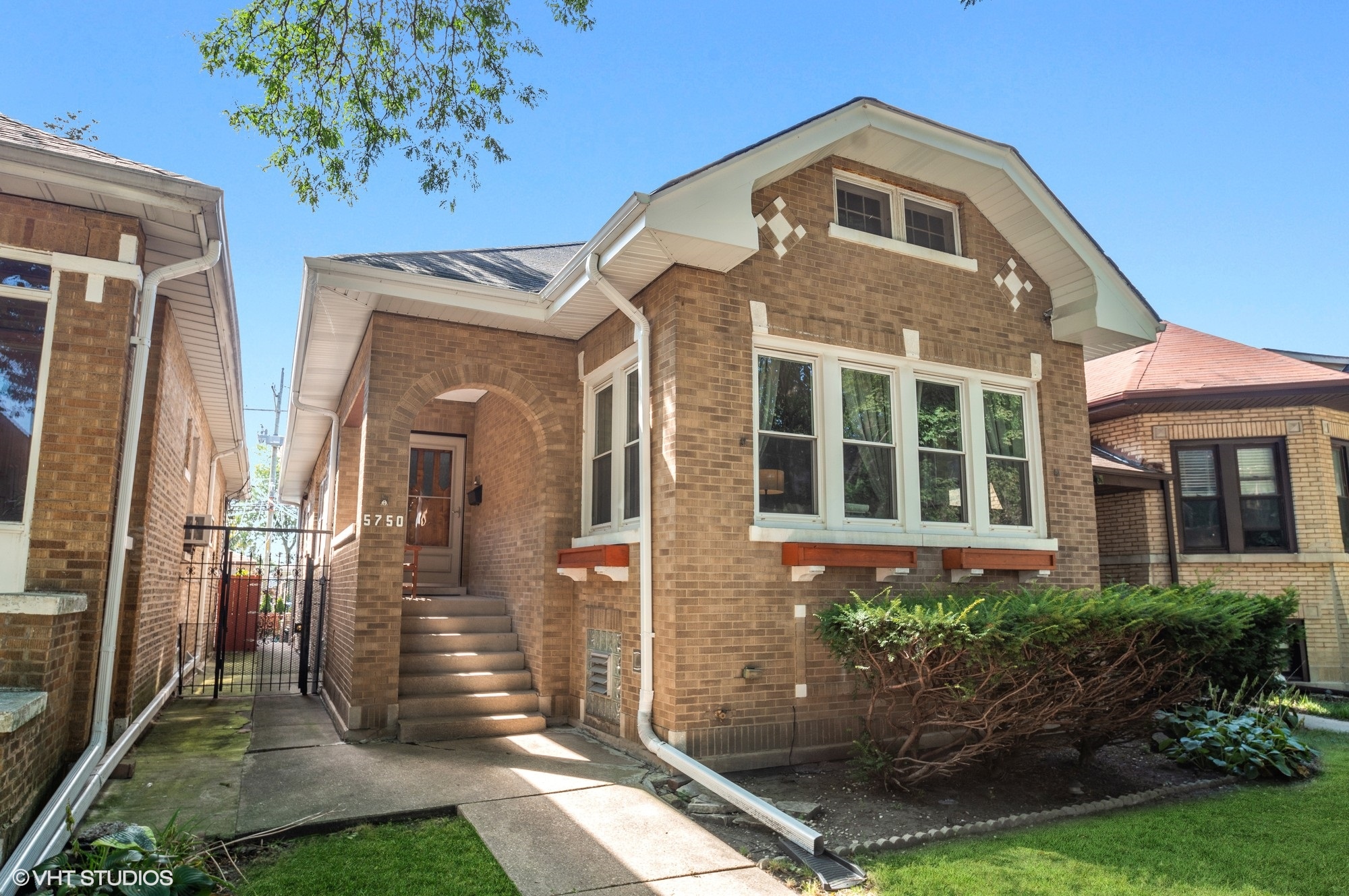
Chicago Bungalows: A Local Favorite
Chicago bungalows are among the city’s most iconic housing styles. Built primarily between the 1910s and 1940s, these homes remain popular because they combine character, durability, and practicality.
Many bungalows feature:
- Brick exteriors
- Hardwood floors
- Finished or expandable basements
- Attics with renovation potential
- Spacious layouts for city living
While these homes have stood the test of time, buyers should pay close attention to:
- Roof condition
- Masonry and tuckpointing
- Foundation movement
- Basement moisture issues
- Electrical updates
Many bungalows have undergone improvements over the years, but not all renovations are equal. A thorough review of past updates can provide valuable insight into the home’s condition.
Understanding Chicago Two-Flats
Two-flats are another unique part of Chicago’s housing landscape. These properties attract buyers looking for flexibility, whether as owner-occupants, multigenerational households, or investment opportunities.
Benefits of two-flats include:
- Potential rental income
- Additional living space
- Long-term versatility
- Strong demand in many neighborhoods
However, buyers should carefully evaluate:
- Age of mechanical systems
- Shared utility arrangements
- Roof and exterior maintenance
- Building code compliance
- Condition of both units
A two-flat may offer significant financial advantages, but understanding maintenance responsibilities upfront is important for long-term success.
Vintage Condos: Character and Convenience
Many Chicago buyers are drawn to vintage condominium buildings because of their charm and location.
These homes often include:
- Original woodwork
- Decorative moldings
- Built-in cabinetry
- Larger floor plans
- Prime neighborhood locations
While vintage condos can be wonderful places to live, buyers should look beyond the unit itself.
It is important to review:
- Association financial reserves
- Planned capital improvements
- Roof replacement history
- Elevator maintenance
- Boiler systems
- Special assessment history
A beautiful unit can quickly become less attractive if the association is struggling financially or major building repairs are looming.
Common Maintenance Concerns in Older Chicago Homes
Older homes often have features that require additional evaluation during the buying process.
Electrical Systems
Many older Chicago homes were built long before today’s electrical demands.
Common concerns include:
- Outdated service panels
- Knob-and-tube wiring
- Limited outlet capacity
- Unpermitted electrical work
Some older systems remain functional, but buyers should understand the potential costs of future upgrades.
Plumbing Systems
Depending on the age of the property, plumbing materials can vary significantly.
Buyers may encounter:
- Galvanized pipes
- Cast-iron drain lines
- Older sewer connections
- Water pressure issues
A sewer scope inspection is often a wise investment, particularly in older neighborhoods.
Roofs and Masonry
Chicago’s climate can be tough on exterior components.
Over time, buyers should expect maintenance involving:
- Roof replacement
- Gutter systems
- Chimneys
- Brickwork
- Tuckpointing
Proper maintenance can extend the life of these features, but deferred repairs can become expensive.
Heating and Cooling Systems
Many older homes have undergone multiple updates over the decades.
Buyers should confirm:
- Furnace age
- Air conditioning system age
- Boiler condition
- Ductwork modifications
- Energy efficiency improvements
Knowing the remaining life expectancy of major systems can help avoid surprises after closing.
Water Intrusion and Basements
Basement moisture is a common concern throughout Chicagoland.
Not every damp basement indicates a major issue. However, buyers should understand:
- Drainage systems
- Sump pumps
- Foundation cracks
- Signs of previous water intrusion
Professional inspections can help separate routine maintenance concerns from larger structural problems.
Don’t Let Age Scare You Away
One of the biggest misconceptions among buyers is that older automatically means problematic.
In reality, some older homes have been meticulously maintained, while some newer homes may have their own issues. The key is understanding the condition of the home—not simply its age.
A well-maintained 100-year-old property can often outperform a poorly maintained home that is much newer.
This is why inspections, due diligence, and local market knowledge remain so important.
Why Working With an Experienced Broker Matters
Older homes require a different approach than newer construction.
An experienced Chicagoland real estate broker can help buyers:
- Identify potential maintenance concerns
- Evaluate renovation history
- Understand neighborhood housing stock
- Compare similar properties accurately
- Recommend appropriate inspections
- Balance risk and opportunity
Older homes often offer tremendous value, character, and long-term potential. Knowing what to look for before making an offer can help buyers move forward with confidence.
Final Thoughts
Chicago’s architectural history is one of the reasons so many people love calling this area home. Bungalows, two-flats, and vintage condos provide character, craftsmanship, and unique opportunities that newer homes often cannot match.
The key is understanding the differences, recognizing common maintenance concerns, and approaching the buying process with a clear strategy.
With the right guidance, an older home can become not just a great purchase—but a home you’ll enjoy for years to come.
Greg Smith
Managing Broker | Coldwell Banker Realty
📞 Phone: 773-951-6634
✉️ Email: Greg.Smith@cbexchange.com
🌐 Website: https://SmithandStraton.com
