

 Facebook
 X
X
 Pinterest
 Copy Link
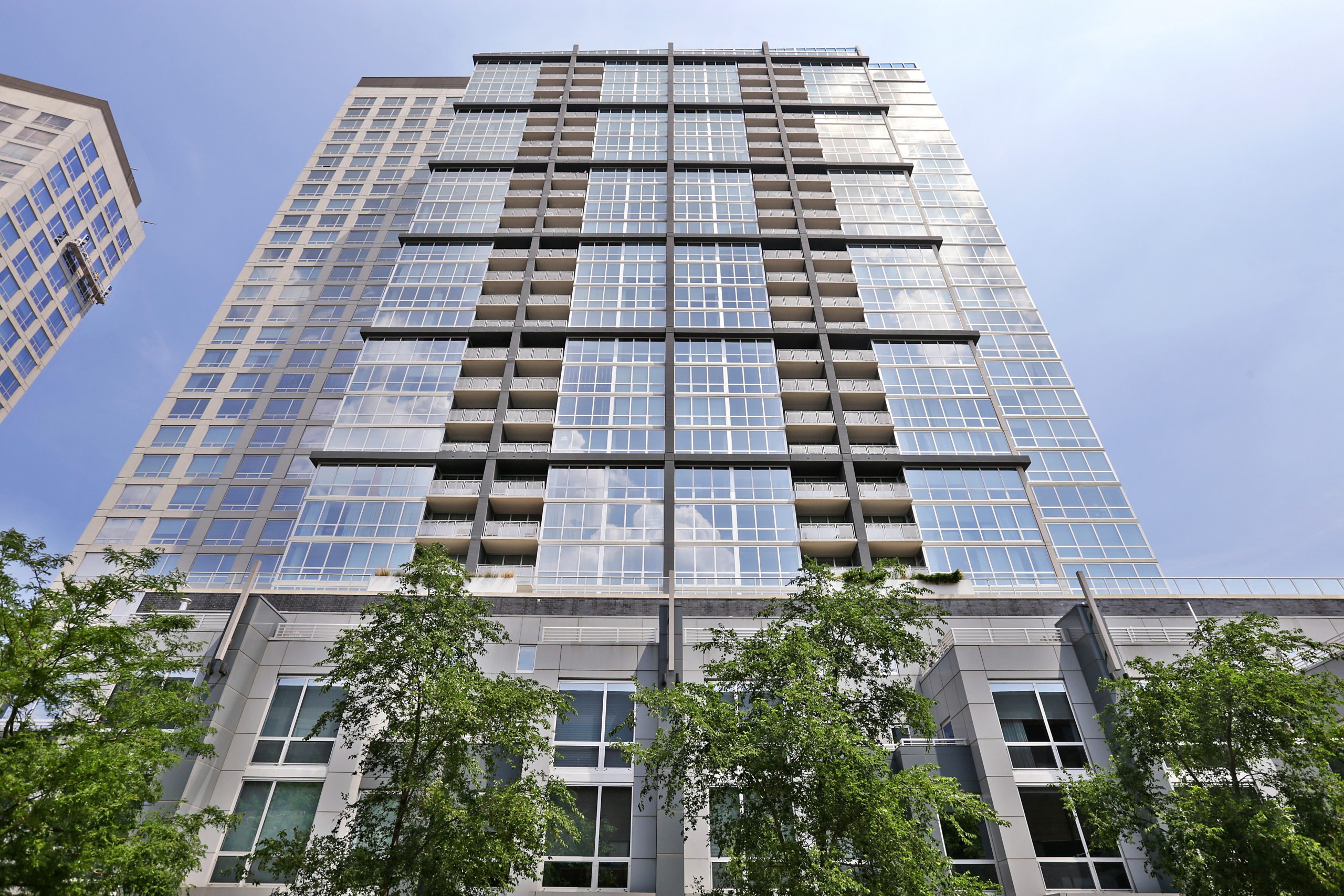
Buying a condo in Chicago feels simple at first.
After all, condos are everywhere.
They are often more affordable.
They also seem easier to maintain.
However, condo ownership comes with rules.
Some rules are obvious.
Others are not.
Unfortunately, many buyers do not ask about these rules early.
As a result, surprises appear later.
This guide covers the Chicago condo rules buyers often forget to ask about—and why those rules matter before you buy.
Why Condo Rules Matter More Than Buyers Expect
Condos are different from single‑family homes.
When you buy a condo, you also agree to:
- Association rules
- Shared responsibilities
- HOA governance
Because of this, your lifestyle is partially shaped by the building.
Therefore, knowing the rules early protects both your comfort and investment.
Rental Rules: Can You Rent the Unit Out?
This is one of the most overlooked questions.
Many Chicago buyers assume renting is allowed.
However, that is not always true.
Some buildings:
- Ban rentals completely
- Allow rentals with restrictions
- Cap the number of rental units
In addition, rules may change over time.
As a result, buyers planning to rent later can be impacted.
Therefore, rental rules should be reviewed before making an offer.
Pet Rules: What Is Actually Allowed?
Pet rules are another common blind spot.
Even pet‑friendly buildings often have limits.
For example:
- Breed restrictions
- Weight limits
- Limits on the number of pets
Moreover, emotional support and service animal policies vary.
Because pets are part of daily life, these rules matter immediately.
Asking early avoids problems after closing.
HOA Fees: What Do They Really Cover?
Buyers often ask how much the HOA is.
However, they forget to ask what it covers.
HOA fees may include:
- Building insurance
- Exterior maintenance
- Heat or water
- Amenities
At the same time, some costs may not be included.
As a result, two similar HOA fees can feel very different.
Understanding coverage helps buyers budget accurately.
Special Assessments: Are Any Planned?
Special assessments catch buyers off guard.
These are extra charges used for major repairs.
For example:
- Roof replacements
- Elevator upgrades
- Masonry work
Some assessments are ongoing.
Others are planned but not yet billed.
Because of this, reviewing meeting minutes is critical.
A low purchase price can hide future costs.
Reserves: Is the Association Financially Healthy?
Reserves matter more than most buyers realize.
Reserves are funds saved for future repairs.
Strong reserves usually signal:
- Better planning
- Fewer surprise costs
- Healthier buildings
Low reserves can mean assessments later.
Therefore, buyers should ask about reserve balances early.
Renovation Rules: Can You Remodel?
Many buyers plan updates.
However, condo buildings often regulate renovations.
Common restrictions include:
- Approval requirements
- Limited work hours
- Contractor insurance rules
Some buildings restrict:
- Flooring materials
- Wall changes
- Plumbing alterations
Because remodels affect neighbors, rules apply.
Confirming these policies avoids delays later.
Smoking Rules: What Is Allowed?
Smoking rules vary widely.
Some buildings allow smoking inside units.
Others ban it completely.
Additionally, balcony and common area rules differ.
Because smoke affects neighbors, enforcement can be strict.
For buyers with sensitivities, this matters more than expected.
Move‑In Rules and Fees
Move‑in procedures surprise many buyers.
Buildings often require:
- Reserved elevators
- Specific move‑in times
- Non‑refundable move‑in fees
Some also require deposits.
While these are manageable, buyers should plan ahead.
Knowing the process avoids last‑minute stress.
Storage and Parking Rules
Storage and parking are not always automatic.
For example:
- Storage may be limited or assigned separately
- Parking may be deeded, leased, or unavailable
Because of this, assumptions can create confusion.
Clarifying rules prevents disappointment after closing.
Guest Policies and Short‑Term Use
Guest rules are another area buyers overlook.
Some buildings:
- Limit short‑term stays
- Restrict guest access length
- Ban short‑term rental platforms entirely
These rules can affect lifestyle flexibility.
Therefore, buyers should ask about guest policies directly.
Why Chicago Condo Documents Matter
All of these rules live in condo documents.
These include:
- Declarations
- Bylaws
- Rules and regulations
- Meeting minutes
Reviewing them carefully matters.
While they may feel overwhelming, they protect buyers.
Why Buyers Should Ask Early—Not After Closing
Problems arise when buyers discover rules after moving in.
By then, options are limited.
Asking the right questions early allows:
- Better decision‑making
- Fewer surprises
- Greater long‑term satisfaction
In condo buying, knowledge truly equals peace of mind.
Final Thoughts
Chicago condos offer great opportunities.
However, they also come with shared rules.
Buyers who overlook those rules often feel frustrated later.
By asking the right questions early, buyers protect their lifestyle, finances, and long‑term plans.
Let’s Talk
Greg Smith
Coldwell Banker Realty
📞 773‑951‑6634
📧 Greg.Smith@cbexchange.com
🌐 www.SmithandStraton.com
