

 Facebook
 X
X
 Pinterest
 Copy Link
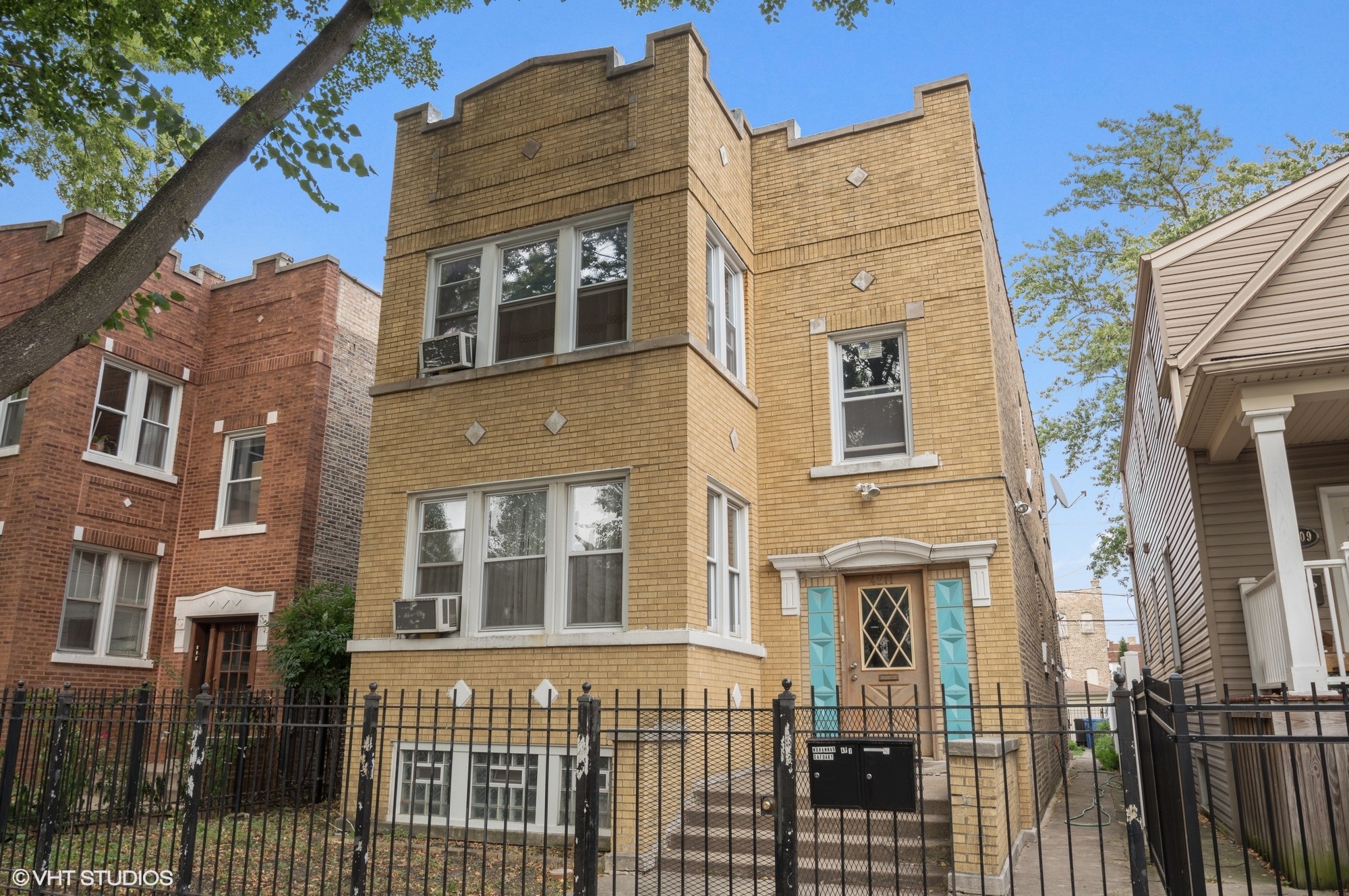
Buying a two‑flat or multi‑unit building in Chicago is one of the most reliable ways to build long‑term wealth. These classic Chicago buildings offer flexible living options, steady rental demand, and the ability to generate income while building equity. However, before you invest, it’s essential to understand how to calculate ROI — your return on investment — so you know whether a building truly aligns with your financial goals.
This guide breaks down ROI in simple, practical steps. Even better, it explains how Chicago‑specific factors, like taxes, rents, and neighborhood trends, influence your numbers. By the end, you’ll feel more confident evaluating any two‑flat or multi‑unit that comes your way.
Why ROI Matters for Chicago Multi‑Unit Investors
ROI helps you understand how hard your money is working for you. And because Chicago’s neighborhoods vary widely in price, condition, rental demand, and tax structure, calculating ROI early gives you a clearer picture of your long‑term returns. It also helps you compare buildings objectively, even when they look very different on paper.
1. Start With Your Expected Rental Income
First, estimate the gross rental income — the total money you expect to collect from all units before expenses. Chicago’s rental market stays consistently active, especially in neighborhoods with strong transit, walkability, and amenities. Because of that, it’s helpful to look at:
- Local rent averages for similar units
- Seasonal trends
- Whether the building includes amenities that can boost rent
- Whether units need updating before achieving full market rent
Once you have a realistic monthly rent for each unit, multiply by 12 for your annual gross rental income.
2. Subtract Operating Expenses
Next, calculate your operating expenses. These are the costs you’ll pay every year to keep the property running smoothly. In Chicago, common expenses include:
- Property taxes
- Insurance
- Utilities (if landlord-paid)
- Water and sewer
- Garbage
- Maintenance and repairs
- Lawn care and snow removal
- Pest control
- Property management (if applicable)
Because Chicago weather is tough on buildings, it’s smart to budget conservatively for upkeep. Once you total these expenses, subtract that number from your gross rental income.
This gives you your Net Operating Income (NOI).
3. Subtract Your Annual Mortgage Costs
Now subtract your annual mortgage payments (principal + interest). This step helps you understand your cash flow, which is what investors care about most.
Cash Flow = NOI – Annual Mortgage Payments
Cash flow tells you how much money is left over at the end of the year after all expenses. Positive cash flow means the property supports itself. Negative cash flow means you’ll need to cover the difference.
4. Calculate Cash‑on‑Cash Return
Cash‑on‑cash return shows how much return you’re earning based on the actual cash you put into the deal. Investors love this metric because it focuses on the money you personally invested.
Cash‑on‑Cash Return = (Annual Cash Flow ÷ Total Cash Invested) × 100
Total cash invested usually includes:
- Down payment
- Closing costs
- Renovation costs
- Reserves or emergency funds
Chicago investors often use cash‑on‑cash return to compare buildings across different neighborhoods and price points.
5. Factor in Appreciation Potential
Chicago real estate tends to appreciate steadily, especially in well‑located neighborhoods with strong transit, schools, or development activity. While appreciation isn’t guaranteed, it can significantly boost your long‑term returns.
Look at:
- Neighborhood investment
- Local business growth
- School performance
- Transit access
- New development nearby
Even a small annual appreciation rate increases your equity over time.
6. Don’t Forget Tax Benefits
Owning a multi‑unit investment property comes with valuable tax advantages, including:
- Mortgage interest deductions
- Depreciation
- Operating expense deductions
- Potential 1031 exchange opportunities
These benefits improve your overall ROI even if they don’t appear directly in your cash‑on‑cash return.
7. Review Chicago‑Specific Considerations
Chicago has several unique factors that directly affect ROI:
Property Taxes
Taxes vary dramatically by neighborhood and can change your numbers quickly.
Building Age
Older Chicago multi‑units may need tuckpointing, roof work, porch repairs, or updated mechanical systems.
Rental Competition
Some neighborhoods have high turnover and strong demand; others move slower, affecting vacancy rates.
Local Ordinances
Chicago’s rental rules require specific notices, disclosures, and maintenance standards.
When you factor these local elements in, your ROI projection becomes more realistic.
8. Compare ROI Across Neighborhoods
A two‑flat in Logan Square may produce great appreciation but tighter cash flow. Meanwhile, a multi‑unit in Rogers Park may offer stronger cash flow but slower appreciation.
That’s why ROI calculations are so helpful — they allow you to compare properties apples‑to‑apples and choose the one that aligns best with your investment goals.
9. Keep an Eye on Long‑Term Stability
Strong ROI isn’t just about monthly cash flow. Long‑term value comes from:
- Consistent rental demand
- Steady appreciation
- Responsible maintenance
- Smart tenant retention
- Good financial planning
The more stable your building becomes, the stronger your returns will be.
Final Thoughts: Your Next Step
Chicago two‑flats and multi‑unit buildings can be incredible long‑term wealth builders, especially when you understand how to calculate ROI before you invest. When you combine strong rental demand with smart financial planning, the right building can support your goals for years to come.
If you’re ready to explore your options — or want help running numbers on a specific property — I’m here to guide you through every step with clarity, strategy, and confidence.
Let’s find the Chicago multi‑unit that supports your future.
Greg Smith – Coldwell Banker Realty
Real Estate Broker | Chicago & Suburbs
📞 773‑951‑6634
📧 Greg.Smith@cbexchange.com
🌐 SmithandStraton.com
Your trusted partner for modern marketing, strong negotiation, and a smoother real estate experience.
