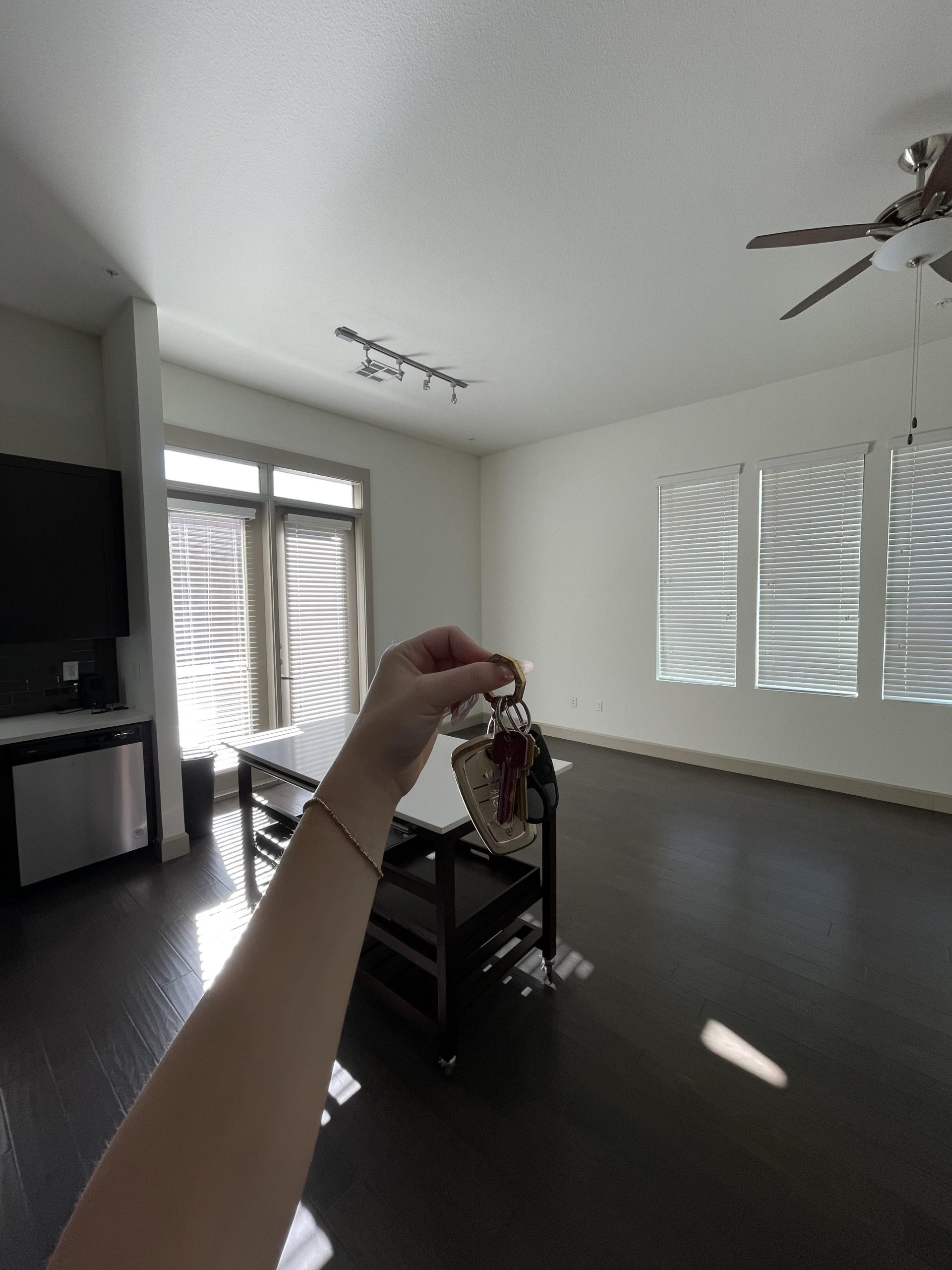
Sellers January 29, 2026

Why Professional Photography Sells Homes

When it comes to selling your home in Chicago, first impressions matter—and in today’s digital world, those impressions happen online. Buyers scroll through listings on their phones and laptops before they ever step foot inside a property. That means your photos aren’t just pictures—they’re your home’s first showing. High-quality photography can make the difference between a quick sale and a listing that lingers.

In this guide, you’ll learn why professional photography is essential, how it impacts your sale price, and why consistency and expertise matter. Plus, we’ll share how video marketing adds another layer of appeal for Chicago buyers.


Why Professional Photography Matters

Most buyers start their home search online, and your listing photos are the first thing they see. Grainy, poorly lit images can make even the nicest home look uninviting. On the other hand, professional photography highlights your home’s best features, creates emotional appeal, and makes your listing stand out in a crowded market.

Homes with high-quality photos attract more views, more showings, and often sell faster—and for more money—than homes with amateur photos. In Chicago’s competitive market, that advantage is critical.


The Difference Between Professional and DIY Photos

Smartphones have great cameras, but they can’t replace the skill of a professional photographer. Professionals understand:

  • Lighting: How to make rooms look bright and inviting.
  • Angles: How to capture space and flow.
  • Editing: How to enhance photos without misrepresenting the property.

DIY photos often miss these details, and buyers notice. Professional photography creates trust and sets the tone for a premium experience.


Consistency Matters: My Approach

Not all real estate photography is created equal. Many agents use random photographers from a rotating pool, which can lead to inconsistent quality. I take a different approach.

Every photo shoot for my listings is handled by the same trusted, experienced photographer—someone who knows my standards and understands how to showcase Chicago homes at their best. This consistency ensures every listing looks polished and professional, no matter the price point or property type.


Adding Video for Maximum Impact

Photos are essential, but video takes your marketing to the next level. Video tours allow buyers to experience the flow of your home and get a sense of the neighborhood. They’re especially powerful for out-of-town buyers or anyone browsing online before scheduling a showing.

I incorporate video into my marketing strategy for every listing because it creates engagement and helps buyers connect emotionally with your home. Combined with professional photography, video gives your property a competitive edge.


How Professional Photography Helps You Sell Faster

Here’s what professional photography can do for your sale:

  • Increase Online Views: Listings with high-quality photos get more clicks.
  • Generate More Showings: Better photos attract serious buyers.
  • Boost Perceived Value: Professional images make your home look worth every dollar.
  • Shorten Time on Market: Homes with great visuals sell faster.

In Chicago, where buyers have plenty of options, these benefits can make a big difference.


Tips for Preparing Your Home for Photos

Professional photography works best when your home is ready. Here’s how to prepare:

  • Declutter and clean every room.
  • Open blinds and let in natural light.
  • Add small touches like fresh flowers or neutral décor.
  • Stage key spaces like the living room, kitchen, and primary bedroom.

Your photographer will handle the technical details, but these steps ensure your home looks its best.


Final Thoughts

Professional photography isn’t an extra—it’s a necessity in today’s market. Combined with video marketing and a consistent, proven approach, it helps your home stand out, attract buyers, and sell for top dollar.

If you’re thinking about selling your Chicago home, let’s talk. I’ll handle everything—from staging advice to photography and video—so your property shines online and in person.


Ready to Sell Your Home?

Contact me for a personalized consultation and let’s make your move a success.


Greg Smith
Coldwell Banker Realty
📞 Phone: 773-951-6634
📧 Email: Greg.Smith@cbexchange.com
🌐 Website: SmithandStraton.com

Sellers January 27, 2026

Staging Tips That Work for Chicago Homes

Selling your home in Chicago’s competitive market takes more than just listing it online. Buyers today expect homes to look polished, inviting, and move-in ready. That’s where home staging comes in. Staging isn’t just about decorating—it’s about creating a space that helps buyers imagine themselves living there. The right staging can make your home stand out, sell faster, and even command a higher price.

In this guide, we’ll share proven staging tips for Chicago homes that work in every season and neighborhood. Whether you’re selling a condo in the West Loop or a bungalow in Beverly, these strategies will help you attract serious buyers.


Why Staging Matters in Chicago

Chicago buyers have options, and first impressions matter. A well-staged home photographs better, looks more spacious, and feels more welcoming during showings. In fact, staged homes often sell faster and for more money than unstaged properties.

Think of staging as marketing for your home. You’re not just selling square footage—you’re selling a lifestyle.


Tip 1: Start with a Deep Clean

Before you bring in furniture or accessories, make sure your home is spotless. Clean windows, scrub floors, and wipe down every surface. A clean home signals to buyers that the property has been well cared for.

Pro Tip: Pay special attention to kitchens and bathrooms. These rooms can make or break a buyer’s impression.


Tip 2: Declutter and Depersonalize

Chicago homes often have unique layouts, but clutter can make even the largest spaces feel cramped. Remove excess furniture, clear countertops, and pack away personal items like family photos. The goal is to create a neutral space where buyers can picture their own belongings.


Tip 3: Highlight Natural Light

Chicago winters can be gray, so natural light is a big selling point. Open blinds, remove heavy drapes, and consider adding mirrors to reflect light. Bright, airy spaces feel larger and more inviting.


Tip 4: Use Neutral Colors

Bold colors can be polarizing. If your walls are bright red or deep blue, consider repainting in soft, neutral tones like beige, gray, or off-white. Neutral colors appeal to a wider range of buyers and make rooms feel bigger.


Tip 5: Stage Key Rooms First

If you can’t stage the entire home, focus on the rooms that matter most:

  • Living Room: Buyers imagine relaxing here.
  • Kitchen: The heart of the home.
  • Primary Bedroom: A peaceful retreat.

These spaces have the biggest impact on buyer perception.


Tip 6: Add Chicago-Inspired Touches

Small details can make your home feel connected to the city. Think local artwork, coffee table books about Chicago architecture, or a cozy throw that nods to Midwest style. These touches create a sense of place without overwhelming the space.


Tip 7: Don’t Forget Curb Appeal

First impressions start outside. In Chicago, that means:

  • Clearing snow in winter.
  • Adding fresh mulch and flowers in spring.
  • Keeping sidewalks clean year-round.

A welcoming exterior sets the tone for the entire showing.


Tip 8: Create Flexible Spaces

Many Chicago buyers work remotely, so a staged home office can be a big selling point. If you have a spare bedroom or nook, set it up as a workspace. This small change can make your home stand out.


Tip 9: Use Professional Photography

Staging is only half the battle—great photos are what get buyers through the door. Professional photography highlights your home’s best features and makes your online listing shine.


Tip 10: Consider Professional Staging

If you want to maximize your home’s appeal, professional staging is worth the investment. Stagers know how to arrange furniture, choose colors, and create a look that resonates with Chicago buyers. Many sellers see a strong return on this expense.


Final Thoughts

Staging isn’t about spending a fortune—it’s about making smart choices that help your home stand out in a crowded market. By cleaning, decluttering, and adding thoughtful touches, you can create a space that buyers fall in love with.

Thinking about selling your Chicago home? Let’s talk! I’ll guide you through every step, from staging tips to pricing strategy, so you can sell quickly and for top dollar.


Ready to Sell Your Home?

Contact me for a personalized consultation and let’s make your move a success.


Greg Smith
Coldwell Banker Realty
📞 Phone: 773-951-6634
📧 Email: Greg.Smith@cbexchange.com
🌐 Website: SmithandStraton.com

Buyers January 22, 2026

How to Budget for Closing Costs in Chicago

Buying a home in Chicago is an exciting milestone, but many first-time buyers overlook one critical piece of the puzzle: closing costs. These expenses can catch you off guard if you’re not prepared, and in a competitive market like Chicago, surprises are the last thing you need. The good news? With the right planning, you can budget for closing costs confidently and avoid unnecessary stress.

In this guide, we’ll break down what closing costs are, how much you can expect to pay in Chicago, and practical tips to plan ahead. By the end, you’ll know exactly how to prepare for this important step in the home-buying process.


What Are Closing Costs?

Closing costs are the fees and expenses you pay at the end of a real estate transaction—when the property officially becomes yours. These costs cover services like title searches, appraisals, and legal documentation. While your down payment gets most of the attention, closing costs are equally important because they can add thousands of dollars to your upfront expenses.


Why Closing Costs Matter in Chicago

Chicago’s real estate market is unique. Property taxes vary by neighborhood, and local regulations can influence certain fees. Additionally, competitive bidding often means buyers want to close quickly, so understanding these costs ahead of time helps you move fast without financial surprises.


How Much Are Closing Costs in Chicago?

On average, closing costs in Chicago range from 2% to 5% of the home’s purchase price. For example:

  • On a $300,000 home, expect $6,000 to $15,000 in closing costs.
  • On a $500,000 home, expect $10,000 to $25,000.

These numbers can vary based on your loan type, lender, and whether you’re buying a condo or single-family home.


What’s Included in Closing Costs?

Here’s a breakdown of common fees you’ll encounter:

  • Loan Origination Fee: Charged by your lender for processing your mortgage.
  • Appraisal Fee: Pays for a professional valuation of the property.
  • Title Search & Title Insurance: Ensures the property is free of legal claims.
  • Attorney Fees: In Illinois, attorneys often handle closing paperwork.
  • Recording Fees: Covers the cost of officially recording your deed.
  • Prepaid Costs: Includes property taxes, homeowners insurance, and sometimes HOA dues.

Tip 1: Start Budgeting Early

Don’t wait until you’re under contract to think about closing costs. Begin planning as soon as you start saving for your down payment. A good rule of thumb is to set aside 3% of your target home price for closing costs. This cushion will help you avoid scrambling later.


Tip 2: Ask for a Loan Estimate

When you apply for a mortgage, your lender will provide a Loan Estimate. This document outlines your expected closing costs in detail. Review it carefully and ask questions about any fees you don’t understand. Transparency is key to avoiding surprises.


Tip 3: Compare Lenders

Not all lenders charge the same fees. Shopping around can save you hundreds—or even thousands—on closing costs. Look beyond interest rates and compare the full cost of each loan offer.


Tip 4: Understand Prepaid Expenses (and Illinois Tax Credits)

Prepaid costs often catch buyers off guard. These include property taxes, homeowners insurance, and sometimes HOA dues. In Chicago, property taxes vary by neighborhood, so factor this into your budget early.

Here’s an important Illinois-specific tip:
In Illinois, property taxes are paid in arrears, meaning the seller owes you a credit for taxes that haven’t been collected during the time they owned the home. This credit is applied at closing and reduces your “cash to close.” While this doesn’t eliminate closing costs, it can significantly lower the amount you need to bring to the table on closing day.


Tip 5: Explore Seller Credits

In some cases, sellers may agree to cover part of your closing costs. While this is less common in a competitive market, it’s worth discussing with your agent. Even a small credit can make a big difference.


Tip 6: Use First-Time Buyer Programs

Illinois offers programs that can help with closing costs. For example:

  • IHDA Access Mortgage provides down payment and closing cost assistance.
  • FHA loans often allow you to roll some costs into your mortgage.

Ask your lender and agent about these options—they can significantly reduce your upfront expenses.


Tip 7: Plan for Condo Fees

If you’re buying a condo in Chicago, budget for association fees and possible move-in deposits. These costs vary by building and can add several hundred dollars to your closing day expenses.


Tip 8: Keep an Emergency Cushion

Even with careful planning, unexpected costs can pop up. Set aside an extra $500–$1,000 for last-minute adjustments. This small buffer can save you from stress on closing day.


Final Thoughts

Closing costs are a normal part of buying a home, but they don’t have to be a surprise. By budgeting early, reviewing your Loan Estimate, and exploring assistance programs, you can approach closing day with confidence. And remember—Illinois tax credits for property taxes can help reduce your cash to close.

If you’re planning to buy in Chicago and want expert guidance through every step—including budgeting for closing costs—reach out today. I’ll help you navigate the process and make sure you’re prepared from start to finish.


Ready to Start Your Home Search?

Contact me for a personalized consultation and let’s make your homeownership dream a reality.


Greg Smith
Coldwell Banker Realty
📞 Phone: 773-951-6634
📧 Email: Greg.Smith@cbexchange.com
🌐 Website: SmithandStraton.com

Buyers January 20, 2026

First-Time Buyer Tips for Chicago’s Competitive Market

Buying your first home is exciting—but in a market as competitive as Chicago, it can also feel overwhelming. With multiple offers, fast-moving listings, and rising prices in popular neighborhoods, first-time buyers need a clear strategy to succeed. The good news? With the right preparation and guidance, you can navigate this market confidently and find a home you love.

In this guide, we’ll cover essential tips for first-time buyers in Chicago, from financial readiness to neighborhood research, so you can make smart decisions and avoid common pitfalls.


Why Chicago’s Market Is Competitive

Chicago offers a unique mix of vibrant neighborhoods, cultural attractions, and diverse housing options—from historic bungalows to modern condos. This variety attracts buyers from all walks of life, creating strong demand in many areas. Add in low inventory and desirable school districts, and competition heats up quickly.

Understanding the market dynamics is the first step. Homes in popular neighborhoods often sell within days, and bidding wars are common. That means preparation isn’t optional—it’s essential.


Tip 1: Get Pre-Approved Before You Start Looking

One of the biggest mistakes first-time buyers make is starting their home search without a mortgage pre-approval. In a competitive market, sellers want serious buyers who can close quickly. A pre-approval letter shows you’re ready and financially qualified.

Why it matters:

  • It gives you a clear budget.
  • It strengthens your offer.
  • It helps you act fast when you find the right home.

Pro Tip: Work with a local lender who understands Chicago’s market. They can provide guidance on property taxes, which vary by neighborhood, and help you choose the right loan program.


Tip 2: Know Your Budget Beyond the Purchase Price

Your monthly payment isn’t just your mortgage. In Chicago, you’ll also need to factor in:

  • Property taxes (which can differ significantly by area)
  • Homeowners association (HOA) fees for condos or townhomes
  • Insurance costs
  • Maintenance and utilities

Creating a realistic budget that includes these expenses will prevent surprises and ensure you’re comfortable with your long-term financial commitment.


Tip 3: Research Neighborhoods Thoroughly

Chicago is a city of neighborhoods, each with its own personality, amenities, and price points. Before you start touring homes, spend time exploring areas that fit your lifestyle and budget.

Questions to ask:

  • How long is the commute to work?
  • Are there parks, restaurants, and shops nearby?
  • What are the local school ratings?
  • Is the neighborhood appreciating in value?

Pro Tip: Use tools like Coldwell Banker’s neighborhood guides or schedule a consultation with a local agent (like me!) to get insider insights.


Tip 4: Be Ready to Move Quickly

In Chicago’s competitive market, hesitation can cost you the home you love. When you find a property that checks your boxes, be prepared to make an offer immediately.

To stay ready:

  • Keep your pre-approval updated.
  • Have your down payment funds accessible.
  • Work with an agent who can draft offers quickly and negotiate effectively.

Tip 5: Understand Multiple Offer Situations

Bidding wars are common in Chicago, especially for homes in hot neighborhoods like Lincoln Park, Lakeview, and Logan Square. If you’re in a multiple-offer situation, your agent will guide you through strategies such as:

  • Offering a competitive price
  • Increasing earnest money
  • Adding an escalation clause
  • Limiting contingencies (while still protecting your interests)

Pro Tip: The highest offer doesn’t always win. Sellers value certainty and speed, so a clean, well-structured offer can stand out.


Tip 6: Consider First-Time Buyer Programs

Illinois offers several programs to help first-time buyers, including down payment assistance and tax credits. These can make homeownership more affordable and help you compete in a tight market.

Examples:

  • Illinois Housing Development Authority (IHDA) programs
  • Federal FHA loans with lower down payment requirements

Your lender and agent can help you explore these options.


Tip 7: Don’t Skip the Inspection

Even in a competitive market, never waive your home inspection without understanding the risks. An inspection protects you from costly surprises and gives you peace of mind about your investment.

If the seller prefers a quick close, consider a shorter inspection period rather than skipping it entirely.


Tip 8: Stay Flexible and Patient

Chicago’s market moves fast, and it’s normal to face setbacks. You might lose out on a home or need to adjust your criteria. Stay flexible, trust the process, and lean on your agent for guidance.

Remember: Every experience brings you closer to finding the right home.


Final Thoughts

Buying your first home in Chicago is a big step—and yes, the market is competitive. However, with preparation, a clear strategy, and the right support, you can succeed. Start by getting pre-approved, researching neighborhoods, and partnering with an experienced local agent who knows how to navigate multiple offers.

If you’re ready to begin your home search or have questions about the process, reach out today. I’d love to help you find the perfect home in Chicago.


Ready to Take the First Step?

Contact me for a personalized consultation and let’s make your homeownership dream a reality.


Greg Smith
Coldwell Banker Realty
📞 Phone: 773-951-6634
📧 Email: Greg.Smith@cbexchange.com
🌐 Website: SmithandStraton.com

Buyers January 15, 2026

Chicago Condo vs. Single-Family Home: Which Is Right for You?

Buying a home in Chicago is exciting, but one big question often comes up: Should you choose a condo or a single-family home? At first glance, it might seem simple—condos offer convenience, while single-family homes provide space. However, the decision involves more than that. Lifestyle, maintenance, monthly costs, and future plans all play a role.

In this guide, we’ll compare lifestyle, maintenance, and cost differences. We’ll also share practical tips to help you decide with confidence.


Lifestyle Differences: Condo vs. Single-Family

Condos: Convenience and Amenities

Condos are ideal for buyers who value location, amenities, and low maintenance.

Pros:

  • Lower daily upkeep
  • Amenities like gyms, rooftops, and package rooms
  • Strong transit access
  • Added security features

Considerations:

  • HOA assessments
  • Rules and bylaws (pets, rentals, renovations)
  • Shared walls and noise

If convenience and community matter most, condos often make sense.


Single-Family Homes: Space and Privacy

Single-family homes appeal to buyers who want more space, control, and flexibility.

Pros:

  • Full control over property decisions
  • Outdoor space for pets, gardening, and hosting
  • Parking options like garages and driveways

Considerations:

  • Higher maintenance responsibility
  • Larger utility costs
  • Time commitment for upkeep

If privacy and room to grow are priorities, single-family homes may be the better fit.


Maintenance: Who Handles What?

Maintenance is one of the biggest differences between condos and single-family homes.

  • Condos: You maintain your unit’s interior, while the association handles common areas and exterior.
  • Single-Family Homes: You handle everything—roof, HVAC, plumbing, landscaping.

Condos centralize maintenance costs through HOA fees, while single-family homes require a personal reserve for repairs.


Cost Differences: Monthly Reality Check

When comparing costs, look beyond the mortgage.

Condos:

  • Mortgage
  • Property taxes
  • Insurance (HO-6 policy)
  • HOA assessments
  • Parking (if separate)

Single-Family Homes:

  • Mortgage
  • Property taxes
  • Insurance
  • Utilities
  • Maintenance

HOA fees may seem high, but they often cover services you’d pay for separately in a single-family home.


How to Decide: A Simple Framework

Choosing between a condo and a single-family home doesn’t have to be overwhelming. Here’s a step-by-step approach:

  1. Lifestyle Snapshot: Commute, space, pets, amenities.
  2. Monthly Budget: Compare condo vs. single-family costs.
  3. Upkeep Comfort Level: HOA convenience vs. full control.
  4. Future Flexibility: Expansion plans or rental potential.
  5. Neighborhood Tours: Walk blocks, check transit, and explore local amenities.

Seeing both options in person often makes the decision clear.


Offer Strategy: Buying Smart

For Condos:

  • Review bylaws, budgets, reserves, and meeting minutes.
  • Check HOA health and lender requirements.

For Single-Family Homes:

  • Inspect roof, HVAC, plumbing, and permit history.
  • Price out desired upgrades before making an offer.

A little homework upfront can prevent surprises later.


FAQs

Q: Are HOA fees bad?
A: No—they replace personal spending on building upkeep and amenities.

Q: Which appreciates better?
A: Both can appreciate well in desirable neighborhoods with strong demand.

Q: Can I start with a condo and later move to a single-family home?
A: Absolutely. Many buyers start with a condo and transition later.


Final Thoughts

Choosing between a condo and a single-family home comes down to lifestyle, budget, and future plans. By comparing both options side by side, you’ll feel confident in your decision.

Ready to explore? I’ll help you build a shortlist and compare costs, commute, and upkeep so you can choose the home that fits your life today—and tomorrow.

Contact:
Greg Smith, Coldwell Banker Realty
📞 773-951-6634
📧 Greg.Smith@cbexchange.com
🌐 SmithandStraton.com

BuyersMythsSellers January 13, 2026

Cook County Property Taxes Made Simple: What to Know and How to Plan

Property taxes in Cook County can seem confusing at first. However, once you understand the basics, it becomes much easier to manage. In this guide, we’ll explain how property taxes are calculated, clear up common misconceptions, and share practical tips for appeals and planning ahead.


How Are Property Taxes Calculated?

First, let’s break down the process step by step:

  1. Market Value: The Assessor estimates your home’s market value.
  2. Assessed Value: For residential property, 10% of that market value becomes your assessed value.
  3. Equalization Factor: The state applies an equalizer to make values consistent across Illinois.
  4. Exemptions: Homeowner, Senior, and other exemptions reduce your taxable value.
  5. Tax Rate: Local taxing bodies (schools, city, parks) set levies, and the Clerk calculates a composite tax rate.
  6. Final Bill: The rate is applied to your taxable value to produce your property tax bill.

In short, your bill depends on your home’s value and the tax rates set by local districts.


Common Misconceptions About Property Taxes

Many homeowners assume that appealing their assessment will automatically lower their tax bill. Unfortunately, that’s not always true. Here’s why:

  • Your bill depends on more than your home’s value. It also depends on tax rates and assessments across your entire area.
  • Rates can change even if your value doesn’t. If local taxing bodies increase levies, your bill can rise even when your assessment stays the same.
  • Exemptions matter. Missing an exemption can cost you hundreds of dollars each year. Always check your bill for accuracy.

Understanding these points helps you make informed decisions and avoid frustration.


Tips for Appealing Assessments or Planning Ahead

If you think your property is over-assessed, you have options. Here’s how to stay ahead:

1. Watch the Calendar

Cook County reassesses properties every three years. When your township is up for review, your home’s market value may change. Appeals happen in two stages:

  • Assessor’s Office: File for free online when your township opens.
  • Board of Review: After assessments are certified, you can file a second appeal.

Both stages have deadlines, so mark your calendar early.

2. Check Your Exemptions

Exemptions reduce your taxable value before the tax rate is applied. Common exemptions include:

  • Homeowner Exemption
  • Senior Exemption
  • Senior Freeze
  • Disabled Persons or Veterans Exemptions

For example, the Senior Freeze can lock in your home’s assessed value, though your bill may still change if tax rates rise.

3. Plan for Both Installments

Cook County bills are paid in two installments:

  • First Installment: Due in March, equal to 55% of last year’s total tax.
  • Second Installment: Due later in the year, after final rates and exemptions are applied.

Because dates can shift, check the Treasurer’s website each year for exact deadlines.

4. Use the Property Tax Portal

The Cook County Property Tax Portal is a great resource. You can search your PIN, view bills, check payment history, and confirm exemptions—all in one place.


Quick Checklist for Homeowners

  • Know your PIN and township.
  • Review exemptions before the second installment.
  • Track appeal deadlines for both the Assessor and Board of Review.
  • Save your bills and set reminders for due dates.

Final Thoughts

Property taxes are part of owning a home in Cook County, but they don’t have to be stressful. By understanding how your bill is calculated, keeping track of deadlines, and using exemptions and appeals when needed, you can stay in control.

If you have questions about your property taxes—or how they impact buying or selling a home—reach out anytime. I’m here to help you navigate the process with confidence.

Contact:
Greg Smith, Coldwell Banker Realty
📞 773-951-6634
📧 Greg.Smith@cbexchange.com
🌐 SmithandStraton.com

Area InsightsBuyers January 8, 2026

Great Chicago Neighborhoods for First-Time Homebuyers to Consider

Buying your first home in Chicago is exciting—and yes, a little overwhelming. Between neighborhood options, commute questions, home types, budgets, and financing, there’s a lot to sort through. Fortunately, Chicago offers a wide range of communities with different vibes, housing options, and price points, so you can find a great fit without sacrificing your lifestyle goals.

Below, I’ll walk you through several Chicago neighborhoods many that offer great value, location, and affordability—Portage Park, Albany Park, Norwood Park, Edgewater, Ravenswood, and Roscoe Village. In addition, I’ll share practical buying tips, commute insights, and resources to help you make a confident move.


What First-Time Buyers Typically Look for in Chicago

When planning your first purchase, it’s helpful to know what most buyers prioritize. For example, affordability and value often top the list, followed closely by commute convenience and access to public transit. Moreover, home type matters—whether you’re leaning toward a condo, townhome, or single-family home. Beyond that, many buyers also consider neighborhood amenities, future resale potential, and low-maintenance options.

As you’ll see, Chicago neighborhoods offer a mix of these features, making it easier to find a home that fits your lifestyle.


Neighborhoods to Consider

Albany Park

First, let’s look at Albany Park. Located on the Northwest Side, this neighborhood offers strong transit access via the Brown Line and multiple bus routes. In addition, you’ll find a mix of vintage condos, two-flats, and single-family homes, along with plenty of dining options. Overall, Albany Park feels diverse, community-oriented, and practical for buyers who want value and convenience.


Edgewater

Next, consider Edgewater. Situated along the lakefront on the North Side, Edgewater offers beaches, parks, and easy Red Line access. Furthermore, the housing mix includes condos, vintage flats, and mid-rise options. If you’re looking for lakefront living combined with urban convenience, Edgewater is worth exploring.


Norwood Park

Moving farther northwest, Norwood Park provides a calm, residential atmosphere. It offers Metra access, proximity to O’Hare, and larger lots—ideal for buyers who want space and an easy driving commute. Additionally, its suburban feel within city limits appeals to those seeking a quieter lifestyle without leaving Chicago.


Portage Park

Another great option is Portage Park. Known for its iconic park and strong sense of community, this neighborhood features classic bungalows, two-flats, and condos. Plus, it’s convenient for Blue Line riders and Kennedy Expressway commuters. If you value neighborhood amenities and a variety of home types, Portage Park delivers.


Ravenswood

Now, let’s talk about Ravenswood. Located near Lincoln Square, Ravenswood combines charm and convenience. It offers Metra and Brown Line access, tree-lined streets, and vintage architecture. In addition, the area is walkable and filled with local dining and retail options, making it a favorite for buyers who want character and connectivity.


Roscoe Village

Finally, Roscoe Village offers a lively, neighborhood-focused vibe. Situated in North Center, it’s known for walkable streets lined with shops and restaurants. Housing options include condos, townhomes, and single-family homes. If you’re drawn to a village-like atmosphere with easy city access, Roscoe Village is a strong contender.


Condo vs. Single-Family vs. Two-Flat: Which Fits Your Life?

As you weigh your options, it’s important to understand the differences. For instance, condos typically offer lower maintenance and amenities, though HOA fees apply. On the other hand, townhomes provide more space and privacy, while single-family homes give you full control but require more upkeep. Additionally, two-flats allow you to live in one unit and rent the other for income, which can offset costs.

By comparing these side-by-side, you’ll see which option aligns best with your lifestyle and budget.


Commute Tips

When choosing a neighborhood, consider your daily commute. For example:

  • CTA trains: Red Line serves lakefront areas like Edgewater, Brown Line covers North Side neighborhoods such as Albany Park and Ravenswood, and Blue Line supports Northwest Side commuters near Portage Park.
  • Metra: Ideal for downtown access from Ravenswood and Norwood Park.
  • Driving: The Kennedy Expressway and Lake Shore Drive make commuting by car easier.

Additionally, many neighborhoods offer bike-friendly routes, which is great for short commutes or weekend errands.


Budgeting for Your First Home

Budgeting is key to a stress-free purchase. Therefore, plan for your down payment and closing costs early. Also, factor in property taxes, insurance, and HOA fees if applicable. Beyond that, keep a small reserve for maintenance and repairs. Finally, getting pre-approved before you start touring homes will make the process smoother and help you act quickly when you find the right property.


How We’ll Shop Smart

To make your search efficient, here’s the step-by-step approach we’ll follow:

  1. Define must-haves and nice-to-haves.
  2. Shortlist neighborhoods based on your priorities.
  3. Tour homes and blocks to get a feel for the area.
  4. Compare properties side-by-side for monthly costs and features.
  5. Craft a competitive offer strategy.
  6. Complete inspection and due diligence.
  7. Plan for closing and move-in.

By following these steps, you’ll feel confident and prepared at every stage.


Local Lifestyle Highlights

In addition to housing, Chicago neighborhoods offer plenty of lifestyle perks. For instance, you’ll find parks, dining, retail, and community events throughout the city. Moreover, outdoor access like the lakefront trail and bike paths adds to the appeal—especially in areas like Edgewater.


FAQs

Do I need 20% down? Not always—many programs allow less.
How long does the process take? Typically, 60–90 days.
Can rental income help qualify? Yes, in some cases for two-flats.


Final Thoughts

Buying in Chicago is exciting when you have a clear plan and the right neighborhood. Whether you want transit convenience, lake access, or more space, I’ll guide you through the process step by step.

Ready to start? Contact me today!
Greg Smith, Coldwell Banker Realty
📞 773-951-6634
📧 Greg.Smith@cbexchange.com
🌐 SmithandStraton.com

BuyersImprovementsInvestorsSellers January 6, 2026

Chicago Housing 2026: What Citywide ADUs Mean for Buyers, Sellers, and Homeowners

Chicago’s housing market is entering a new chapter. Starting April 1, 2026, the city will expand its Accessory Dwelling Unit (ADU) program citywide, giving homeowners more flexibility and creating new opportunities for buyers, sellers, and investors.

If you’ve been hearing the term “ADU” and wondering what it means for you, this guide explains what’s changing, why it matters, and how to plan ahead.


What Is an ADU—and Why Is Chicago Expanding Them?

An Accessory Dwelling Unit is a small, self-contained home located on the same lot as a primary residence. In Chicago, ADUs typically include:

  • Garden units (basement apartments)
  • Attic flats
  • Coach houses (standalone structures behind the main home)

Chicago launched a pilot ADU program in 2021 in select zones. Now, after years of study and community feedback, the City Council voted to make ADUs permitted citywide starting April 1, 2026. Certain single-family (RS) districts will require aldermanic opt-in. However, overall, this is a major step toward adding gentle density and expanding housing options.


Why This Matters for Homeowners

For homeowners, ADUs represent flexibility and financial opportunity. For example:

  • Rental Income: A well-designed ADU can generate steady cash flow, helping offset mortgage payments or fund renovations.
  • Multi-Generational Living: Families can house aging parents or adult children nearby without leaving the neighborhood.
  • Property Value: Adding an ADU can increase overall property value—though it’s important to weigh costs, zoning, and tax implications.

In addition, ADUs allow homeowners to make better use of existing space without leaving their community.


Key Details of the Citywide Expansion

Here’s what you need to know about the new rules:

  • Effective Date: April 1, 2026
  • Aldermanic Opt-In: Single-family RS districts require aldermanic approval for ADUs.
  • Affordability Requirements: If you add multiple ADUs, some may need to be rented at affordable rates.
  • Permit Limits: The city may cap the number of ADUs per block per year to manage growth.
  • Design Standards: ADUs must meet building codes for safety, egress, and habitability.

As a result, planning early is essential if you want to take advantage of this opportunity.


Market Context: Why Timing Matters

Chicago’s housing market in late 2025 is defined by stability with nuance. Mortgage rates hover in the low-6% range, which is encouraging buyers to re-enter the market. Inventory remains tight in many neighborhoods. However, ADUs could gradually add rental options and influence pricing dynamics.

Importantly, Chicago continues to offer relative value compared to coastal metros, making it attractive for buyers and investors. Therefore, the ADU expansion won’t flood the market overnight, but it will create micro-level shifts in neighborhoods where homeowners act quickly to add units.


Planning Ahead: How I Help Clients Navigate ADUs

Adding an ADU isn’t just about pulling permits—it’s about smart design, compliance, and long-term value. That’s why I work with an experienced architect and general contractor team that specializes in:

  • Renovations and new construction
  • Multi-unit properties
  • Accessory Dwelling Units (ADUs)

This partnership ensures that every project meets Chicago’s building codes, maximizes space, and delivers a finished product that adds real value. Whether you’re converting a basement into a garden unit or building a coach house, having the right team in place makes all the difference.

In addition, I can connect you with professionals who understand zoning, affordability requirements, and structural design—so your investment is both compliant and profitable.


Action Steps for Homeowners Considering an ADU

Even though the expansion begins in April 2026, you can start planning now. Here’s how:

  • Check Zoning and Feasibility: Confirm your ward’s opt-in status for RS districts and review lot size and design constraints.
  • Budget Realistically: Factor in egress windows, sprinklers (if required), insulation, soundproofing, and utility separation.
  • Line Up Permitting and Trades: Expect a surge in demand for contractors around the effective date. Therefore, choose licensed teams experienced with ADU compliance.
  • Plan for Taxes and Insurance: Improvements can affect assessed value. Talk with your tax professional and insurer about coverage and valuation implications.

What Buyers Should Know

ADUs aren’t just for current homeowners—they can influence buying decisions too. For example, purchasing a property with ADU potential can create long-term value. Buyers planning to house-hack or generate income should factor ADU feasibility into their search.

Neighborhood dynamics will also shift. Areas with strong ADU adoption may see evolving rental comps and property values.

Buyer Tips:

  • Ask for micro-market comps—citywide averages won’t tell the full story.
  • Verify zoning and lot constraints before assuming ADU potential.
  • Consider financing options that allow for renovation or construction costs.

What Sellers Should Know

If you’re selling in 2026 or beyond, ADUs could impact your marketing strategy. Homes with existing ADUs or clear potential may command a premium. Highlight flexibility—multi-generational living, rental income, and creative use of space.

Seller Tips:

  • If you have an ADU, showcase it with professional photos and floor plans.
  • If your property has ADU potential, mention it in listing copy (without making speculative claims).
  • Use Coldwell Banker’s Listing Concierge and Boost Ads to maximize exposure.

Neighborhood Signals—Where Interest Could Spike

While ADUs will be allowed citywide, some areas are likely to see faster adoption:

  • North/Northwest Side: Historically strong permit activity during the pilot program.
  • Transit-Served Corridors: Easy access to CTA and Metra remains a premium factor.
  • Neighborhoods with Larger Lots: More space means easier compliance for coach houses.

FAQs—Straight Answers

Will adding an ADU guarantee higher property value?
Not automatically. Value depends on design quality, compliance, and neighborhood demand.

Are ADUs a “sure thing” for rental income?
They can be great, but success depends on location, finishes, and market conditions.

What about property taxes?
Improvements can affect assessed value. Understand your township’s cycle and appeal windows.

Do I need affordability compliance?
Only if you add multiple ADUs. Single-unit additions typically avoid affordability requirements.


Bottom Line

Chicago’s citywide ADU expansion is a game-changer. For homeowners, it’s a chance to unlock new income streams and adapt to changing family needs. For buyers, it’s an opportunity to future-proof your investment. For sellers, it’s a marketing edge in a competitive market.

The key is planning early—before April 2026 arrives and demand for contractors and permits spikes. And with the right team in place, you can turn underused space into long-term value.


Ready to Explore Your Options?

Whether you’re buying, selling, or considering an ADU, I’ll help you navigate the details and create a strategy that works for your goals.


Greg Smith | Coldwell Banker Realty
📞 773-951-6634
📧 Greg.Smith@cbexchange.com
🌐 SmithandStraton.com

InvestorsSellers December 30, 2025

Should You Sell Your Chicago Multi-Unit Apartment Building? Here’s What to Know Before Listing

If you own a multi-unit apartment building in Chicago, you may be asking: Is now the right time to sell? The answer might surprise you. Market conditions are leaning in your favor. Vacancy rates are low, rents are rising, and new construction is limited. As a result, owners have more leverage than they’ve had in years. If your property is well-located and stabilized, this could be the perfect time to explore selling.

In this post, you’ll learn why Chicago owners have the advantage, what buyers want, and how to prepare your building for a successful sale.


Why Chicago Owners Have the Advantage

Chicago’s multifamily market is strong. Vacancy rates remain low, rent growth is steady, and new development has slowed significantly. Because fewer new buildings are coming online, existing properties stand out. Buyers are actively searching for cash-flowing assets they can rely on today—not just on paper.


What’s Driving This Momentum?

1. Limited New Supply

First, development has cooled. New deliveries are down sharply. As a result, existing buildings have pricing power. If your property is stabilized and well-maintained, buyers will see it as a safe, income-producing investment.

2. Strong Demand Across Submarkets

Next, demand isn’t limited to downtown. Workforce housing and suburban properties near job centers and transit are performing well. Investors want properties that serve long-term renters and offer convenience.

3. Buyers Are Back

Finally, cap rates have stabilized, and financing costs are more predictable. Therefore, investors are re-engaging. This means more qualified buyers and competitive offers for sellers.


Key Factors Sellers Should Know Before Listing

Property Taxes

Cook County’s reassessment cycles have created some uncertainty. Buyers will want clarity on your tax history and any appeals. Therefore, prepare a simple summary of your last two tax bills and any adjustments. Transparency builds trust and keeps deals moving.

Rent Control

Illinois law prohibits rent control. However, Chicago enforces tenant protections under the Residential Landlord and Tenant Ordinance (RLTO). Make sure your leases, security deposit handling, and notices are compliant. Buyers will check, and being buttoned up reduces risk.


Why Many Owners Are Choosing to Sell Now

Even if you love your building, there are practical reasons to consider selling:

  • Strong Fundamentals: Low vacancy and steady rent growth create a favorable exit environment.
  • Cap Rates Are Settling: Deals are getting done. Waiting for a “perfect” future may be more speculative than strategic.
  • Operational Complexity: If taxes, maintenance, and compliance have become burdensome, selling can free up capital for simpler investments.
  • Neighborhood Shifts: Some areas remain competitive, while others offer better margins. Selling now can unlock capital for higher-performing opportunities.

What Buyers Value Most Right Now

To attract strong offers, think like a buyer. Today’s investors want:

  • Clean Financials: Organized rent rolls, trailing 12-month income and expense statements, and bank records.
  • Compliance: Evidence of RLTO adherence, proper deposit handling, and tenant notices.
  • Stabilized Occupancy: A strong tenant base reassures buyers and supports financing.
  • CapEx Clarity: A clear record of major repairs and upgrades.
  • Growth Potential: Modest, practical improvements that boost rent without heavy disruption.

How to Prepare Your Multi-Unit Building for Market

Step 1: Define Your Goals
Do you want maximum price, best terms, or a tax-deferred exchange? Your goals shape your strategy.

Step 2: Organize Financials
Gather your last 24 months of income and expenses, rent rolls, leases, and deposit records. Buyers appreciate clean, transparent data.

Step 3: Confirm Compliance
Audit your leases and security deposit handling. Include the required interest addendum for 2025.

Step 4: Make Smart Improvements
Focus on high-impact, low-cost updates: fresh paint, lighting, entryway upgrades, and minor unit turns.

Step 5: Document Property Taxes
Prepare a one-page summary of recent tax bills and appeals. This reassures buyers and speeds underwriting.

Step 6: Price Strategically
Align your price with current cap rates and in-place income. Present realistic projections backed by actual performance.

Step 7: Decide on Marketing Approach
A quiet offering to select investors or a full launch with professional marketing—both can work. The right choice depends on your timeline and goals.


Considering a 1031 Exchange?

If you sell, a 1031 exchange lets you defer capital gains taxes by reinvesting in another property. To qualify, you’ll need to:

  • Use a Qualified Intermediary.
  • Identify a replacement property within 45 days.
  • Close within 180 days.
  • Acquire property of equal or greater value.

This strategy is ideal if you want to simplify operations or diversify your portfolio without an immediate tax hit.


Your Seller’s Checklist

  • Financials: T-12, rent roll, leases
  • Compliance: RLTO summary, deposit records
  • Operations: Maintenance logs, vendor contracts
  • CapEx: 5-year history
  • Taxes: Last two bills + appeals summary
  • Marketing: Professional photos, updated unit features
  • Strategy: Pricing aligned to cap rates; 1031 plan if desired

Bottom Line

Chicago’s multifamily market favors well-prepared sellers. With low vacancy, steady rent growth, and limited new construction, now is an excellent time to explore your options. If your building is stabilized and professionally managed, you can set a confident price, attract serious buyers, and transition into your next investment on your terms.


Ready to see what your building could sell for? Let’s connect today for a confidential consultation. I’ll review your financials, outline a pricing strategy, and create a marketing plan that positions your property for success.

Greg Smith
Coldwell Banker Realty
📞 773-951-6634
📧 Greg.Smith@cbexchange.com
🌐 SmithandStraton.com

BuyersInvestorsSellers December 23, 2025

Chicago’s 2026 Real Estate Market: What Buyers, Sellers & Investors Need to Know

Chicago’s real estate market is entering an exciting chapter in 2026. Prices are rising steadily, inventory remains tight, and buyers are becoming more strategic. So, what does this mean for you? Let’s break it down.


🔼 Home Prices Are Climbing—But at a Manageable Pace

First, let’s talk about pricing. Realtor.com predicts a 4.4% increase in metro home prices this year—nearly double the national average. This growth is driven by strong demand and limited supply. In fact, fewer new homes are being built, which keeps upward pressure on prices. As a result, sellers remain in a favorable position.


🏘 Buyers Are Back—But They’re Choosy

Next, what about buyers? Although mortgage rates are still above 6%, recent improvements have encouraged more buyers to re-enter the market. However, they are selective. Homes that are move-in ready and priced correctly will attract the most attention. Therefore, presentation and staging matter more than ever.


📉 Sales Activity May Ease Slightly

Now, let’s look at sales volume. Experts expect a small dip of about 2–3% in 2026. On the other hand, this slowdown is not alarming; it simply reflects tight inventory and firm pricing. As a result, sellers who list now still enjoy a strong advantage—especially in popular neighborhoods.


🏗 New Construction and Neighborhood Highlights

In addition, developers are responding to demand with new projects. For example, expect to see more condos, urban townhomes, and energy-efficient homes. Meanwhile, neighborhoods like Logan Square, Avondale, and South Shore continue to shine. These areas offer great opportunities for buyers and investors alike.


📈 Rental and Investment Trends

Finally, let’s talk rentals. Investor interest remains strong, with single-family rents climbing 6–9%. In fact, transit-friendly and student-focused neighborhoods are seeing even higher returns. As a result, rental properties remain a smart play for long-term growth.


🧭 What It Means for You

Role Key Opportunities
Buyers Take advantage of easing rates—be ready to act fast on well-priced homes.
Sellers Use low inventory to your advantage—staging and pricing are key.
Investors Focus on rental demand in transit-rich and emerging neighborhoods.

The Bottom Line

Chicago’s 2026 market is steady, competitive, and full of opportunity. Prices are rising, buyers are active, and inventory remains tight. Whether you’re buying, selling, or investing, success this year comes down to clarity, timing, and strategy.


Ready to Make Your Move?

If you’re thinking about buying, selling, or investing in Chicago real estate, let’s connect. I’ll help you navigate the market with confidence and make the most of every opportunity.

Greg Smith – Coldwell Banker Realty
📞 Phone: 773-951-6634
📧 Email: Greg.Smith@cbexchange.com
🌐 Website: SmithandStraton.com

Your next chapter starts here—reach out today and let’s make it happen.