

 Facebook
 X
X
 Pinterest
 Copy Link
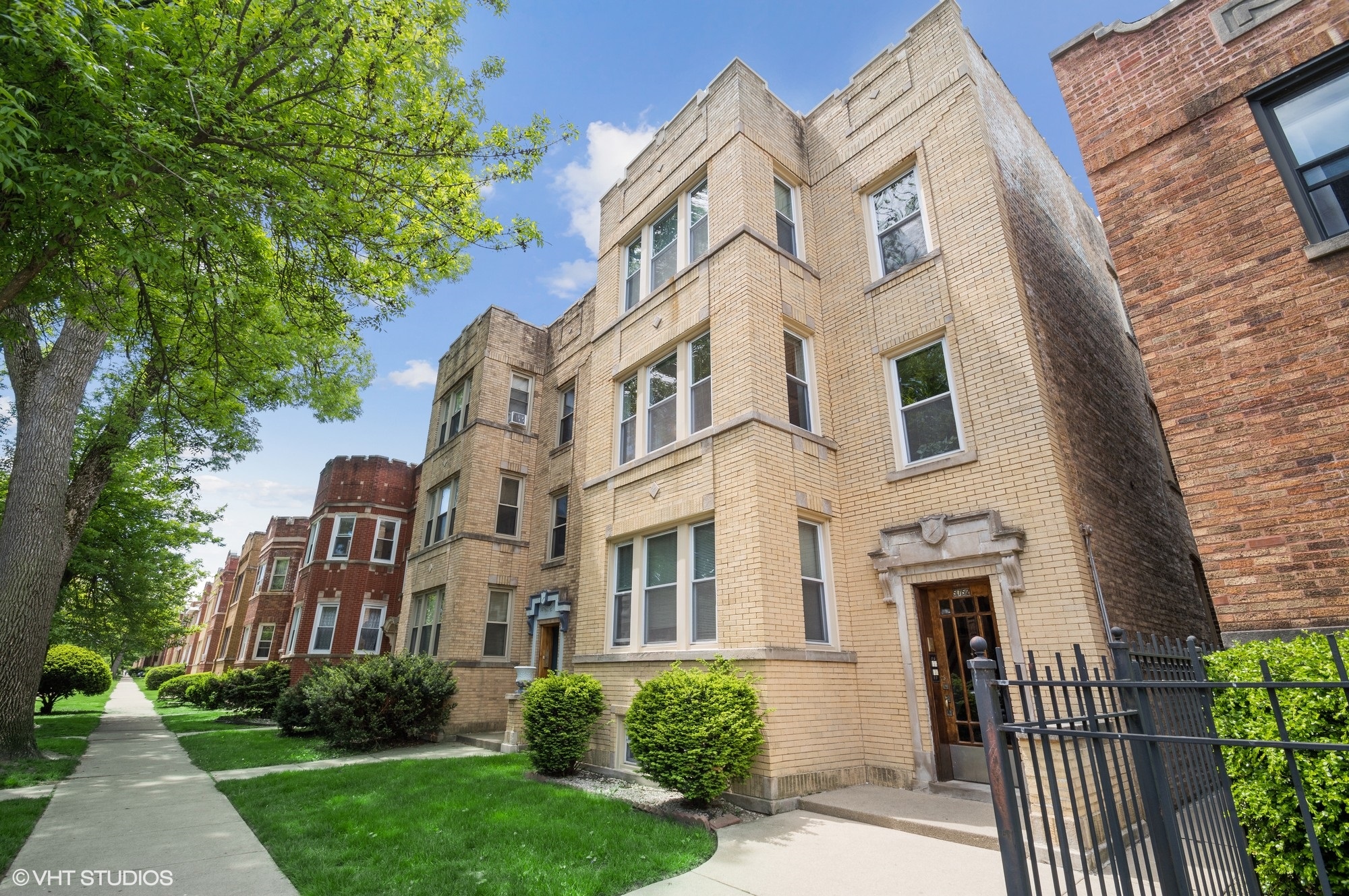
If you’re thinking about buying a two‑flat, three‑flat, or small multi‑unit in the Chicago area, you’re in good company. These classic buildings have helped generations of Chicagoans build long‑term wealth. And whether you want to house‑hack or invest for rental income, understanding how to calculate ROI is one of the smartest first steps you can take.
This guide breaks the process into clear, easy steps so you can run the numbers with confidence on any Chicago multi‑unit property.
Why Chicago Multi‑Units Stay in Demand
Chicago continues to be a strong rental city. Because of this, multi‑units have remained a popular choice for both new and experienced investors. Here are a few reasons why:
- Strong rental demand from students, remote workers, and families
- Diverse neighborhoods like Logan Square, Avondale, Bronzeville, Rogers Park, and Berwyn
- Classic brick buildings that hold up well and improve nicely with updates
- House‑hacking options that help you reduce your own monthly expenses
Since demand stays steady across many parts of the city, ROI calculations give you a simple way to compare opportunities.
Step 1: Add Up Your Total Investment
To get an accurate ROI number, start by adding every cost associated with the purchase. This helps you understand your real entry point into the investment.
Initial Purchase Costs
These include:
- Purchase price
- Closing costs
- Loan fees
Renovation and Update Costs
Chicago multi‑units often need some work. Many of these buildings are 80–120 years old, so it helps to budget for common updates such as:
- Electrical and plumbing improvements
- Roof repairs
- Tuckpointing
- Furnace or boiler replacement
- Cosmetic updates
Your total investment = purchase costs + renovation costs.
Step 2: Estimate Your Annual Rental Income
Next, calculate how much income the building can reasonably generate. Use realistic rents for the neighborhood. If you’d like, I can run a customized rental analysis to help.
Example
- Unit 1: $2,000/month
- Unit 2: $1,850/month
- Garden Unit: $1,200/month
Total monthly income: $5,050
Total annual income: $60,600
If you plan to live in one of the units, simply use the rents from the units you plan to lease.
Step 3: Subtract Annual Operating Expenses
This step is important because Chicago has unique recurring costs. After all, many multi‑units include shared utilities or common‑area systems.
Typical Chicago Multi‑Unit Expenses
- Property taxes
- Insurance
- Water, sewer, and sometimes heat (especially if there’s a boiler)
- Trash and recycling
- Snow removal and landscaping
- Common area electricity
- Repairs and maintenance
- Vacancy allowance (often 4–6%)
- Property management costs
Once you subtract these from your annual income, you’ll get your Net Operating Income (NOI).
Step 4: Use the ROI Formula
Now you’re ready for the simplest part: the actual calculation.
ROI = (Annual Net Profit ÷ Total Investment) × 100
Where annual net profit =
Annual rental income – annual expenses
This gives you a clear percentage that shows how your money is performing.
A Real Chicago Example
Here’s a realistic example based on common price points in places like Portage Park, Albany Park, or McKinley Park.
Purchase Price: $550,000
Renovation Budget: $30,000
Total Investment: $580,000
Annual Rental Income: $57,600
Annual Expenses: $25,400
Net Operating Income (NOI): $32,200
ROI = ($32,200 ÷ $580,000) × 100 = 5.55%
This number does not include long‑term benefits like tax deductions, principal paydown, or appreciation — all of which can improve your real return.
What Counts as a “Good” ROI in Chicago?
Chicago’s multi‑unit market is stable, so returns tend to be steady rather than extreme. Here’s a helpful guide:
- 5–7%: Normal and healthy for many established neighborhoods
- 7–9%: Strong return, often from buildings with light value‑add potential
- 9%+ : Excellent, usually tied to larger renovations or strategic upgrades
While the numbers matter, remember that Chicago offers long‑term appreciation in many areas, which boosts your total return over time.
Three Ways to Improve ROI on a Chicago Multi‑Unit
If the building you’re considering is close to your target ROI, you can often improve performance with a few focused upgrades.
1. Add a Legal Garden Unit (Where Allowed)
Many neighborhoods, such as Logan Square, Lakeview, Uptown, and Humboldt Park, have buildings with existing garden spaces that can be legalized or improved for extra rental income.
2. Modernize Kitchens and Baths
Updated finishes attract stronger tenants and often justify higher rent.
3. Lower Your Operating Costs
Simple changes — like installing separate electric meters or converting from a boiler to individual furnaces — can reduce long‑term expenses.
Thinking About Buying a Chicago Two‑Flat or Multi‑Unit?
If you’re exploring a purchase, I’d be happy to run the numbers with you. I can help you:
- Calculate ROI
- Analyze neighborhood rent trends
- Compare two‑flats, three‑flats, and mixed‑use options
- Identify value‑add opportunities
- Build a long‑term strategy that supports your goals
If you have a property in mind, feel free to send the address. I can put together a custom ROI analysis for you.
Contact Information
Greg Smith
Coldwell Banker Realty
📞 773‑951‑6634
📧 Greg.Smith@cbexchange.com
🌐 SmithandStraton.com
