

 Facebook
 X
X
 Pinterest
 Copy Link
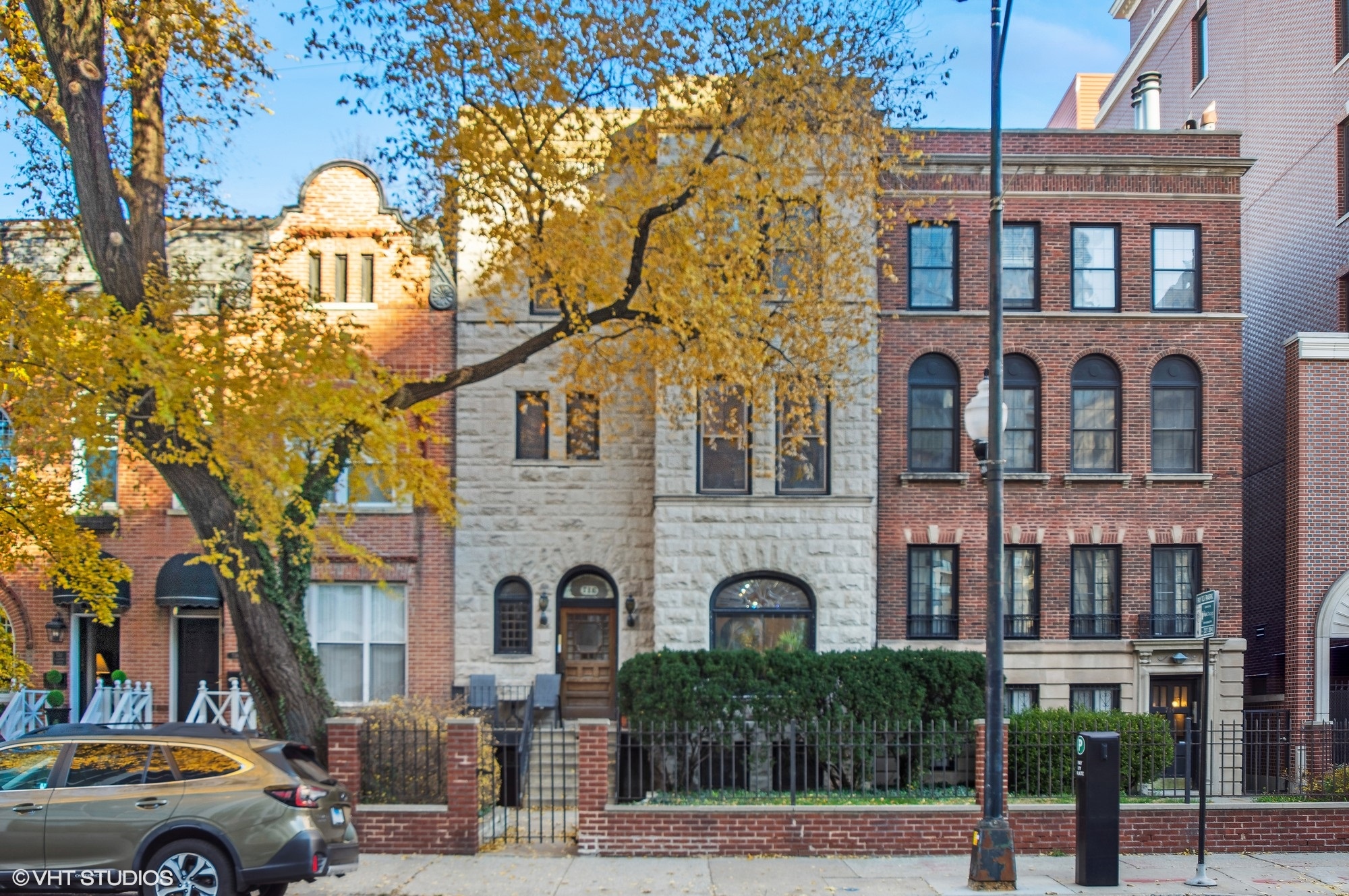
If you own a multi-unit apartment building in Chicago, you may be asking: Is now the right time to sell? The answer might surprise you. Market conditions are leaning in your favor. Vacancy rates are low, rents are rising, and new construction is limited. As a result, owners have more leverage than they’ve had in years. If your property is well-located and stabilized, this could be the perfect time to explore selling.
In this post, you’ll learn why Chicago owners have the advantage, what buyers want, and how to prepare your building for a successful sale.
Why Chicago Owners Have the Advantage
Chicago’s multifamily market is strong. Vacancy rates remain low, rent growth is steady, and new development has slowed significantly. Because fewer new buildings are coming online, existing properties stand out. Buyers are actively searching for cash-flowing assets they can rely on today—not just on paper.
What’s Driving This Momentum?
1. Limited New Supply
First, development has cooled. New deliveries are down sharply. As a result, existing buildings have pricing power. If your property is stabilized and well-maintained, buyers will see it as a safe, income-producing investment.
2. Strong Demand Across Submarkets
Next, demand isn’t limited to downtown. Workforce housing and suburban properties near job centers and transit are performing well. Investors want properties that serve long-term renters and offer convenience.
3. Buyers Are Back
Finally, cap rates have stabilized, and financing costs are more predictable. Therefore, investors are re-engaging. This means more qualified buyers and competitive offers for sellers.
Key Factors Sellers Should Know Before Listing
Property Taxes
Cook County’s reassessment cycles have created some uncertainty. Buyers will want clarity on your tax history and any appeals. Therefore, prepare a simple summary of your last two tax bills and any adjustments. Transparency builds trust and keeps deals moving.
Rent Control
Illinois law prohibits rent control. However, Chicago enforces tenant protections under the Residential Landlord and Tenant Ordinance (RLTO). Make sure your leases, security deposit handling, and notices are compliant. Buyers will check, and being buttoned up reduces risk.
Why Many Owners Are Choosing to Sell Now
Even if you love your building, there are practical reasons to consider selling:
- Strong Fundamentals: Low vacancy and steady rent growth create a favorable exit environment.
- Cap Rates Are Settling: Deals are getting done. Waiting for a “perfect” future may be more speculative than strategic.
- Operational Complexity: If taxes, maintenance, and compliance have become burdensome, selling can free up capital for simpler investments.
- Neighborhood Shifts: Some areas remain competitive, while others offer better margins. Selling now can unlock capital for higher-performing opportunities.
What Buyers Value Most Right Now
To attract strong offers, think like a buyer. Today’s investors want:
- Clean Financials: Organized rent rolls, trailing 12-month income and expense statements, and bank records.
- Compliance: Evidence of RLTO adherence, proper deposit handling, and tenant notices.
- Stabilized Occupancy: A strong tenant base reassures buyers and supports financing.
- CapEx Clarity: A clear record of major repairs and upgrades.
- Growth Potential: Modest, practical improvements that boost rent without heavy disruption.
How to Prepare Your Multi-Unit Building for Market
Step 1: Define Your Goals
Do you want maximum price, best terms, or a tax-deferred exchange? Your goals shape your strategy.
Step 2: Organize Financials
Gather your last 24 months of income and expenses, rent rolls, leases, and deposit records. Buyers appreciate clean, transparent data.
Step 3: Confirm Compliance
Audit your leases and security deposit handling. Include the required interest addendum for 2025.
Step 4: Make Smart Improvements
Focus on high-impact, low-cost updates: fresh paint, lighting, entryway upgrades, and minor unit turns.
Step 5: Document Property Taxes
Prepare a one-page summary of recent tax bills and appeals. This reassures buyers and speeds underwriting.
Step 6: Price Strategically
Align your price with current cap rates and in-place income. Present realistic projections backed by actual performance.
Step 7: Decide on Marketing Approach
A quiet offering to select investors or a full launch with professional marketing—both can work. The right choice depends on your timeline and goals.
Considering a 1031 Exchange?
If you sell, a 1031 exchange lets you defer capital gains taxes by reinvesting in another property. To qualify, you’ll need to:
- Use a Qualified Intermediary.
- Identify a replacement property within 45 days.
- Close within 180 days.
- Acquire property of equal or greater value.
This strategy is ideal if you want to simplify operations or diversify your portfolio without an immediate tax hit.
Your Seller’s Checklist
- Financials: T-12, rent roll, leases
- Compliance: RLTO summary, deposit records
- Operations: Maintenance logs, vendor contracts
- CapEx: 5-year history
- Taxes: Last two bills + appeals summary
- Marketing: Professional photos, updated unit features
- Strategy: Pricing aligned to cap rates; 1031 plan if desired
Bottom Line
Chicago’s multifamily market favors well-prepared sellers. With low vacancy, steady rent growth, and limited new construction, now is an excellent time to explore your options. If your building is stabilized and professionally managed, you can set a confident price, attract serious buyers, and transition into your next investment on your terms.
Ready to see what your building could sell for? Let’s connect today for a confidential consultation. I’ll review your financials, outline a pricing strategy, and create a marketing plan that positions your property for success.
Greg Smith
Coldwell Banker Realty
📞 773-951-6634
📧 Greg.Smith@cbexchange.com
🌐 SmithandStraton.com
