

 Facebook
 X
X
 Pinterest
 Copy Link
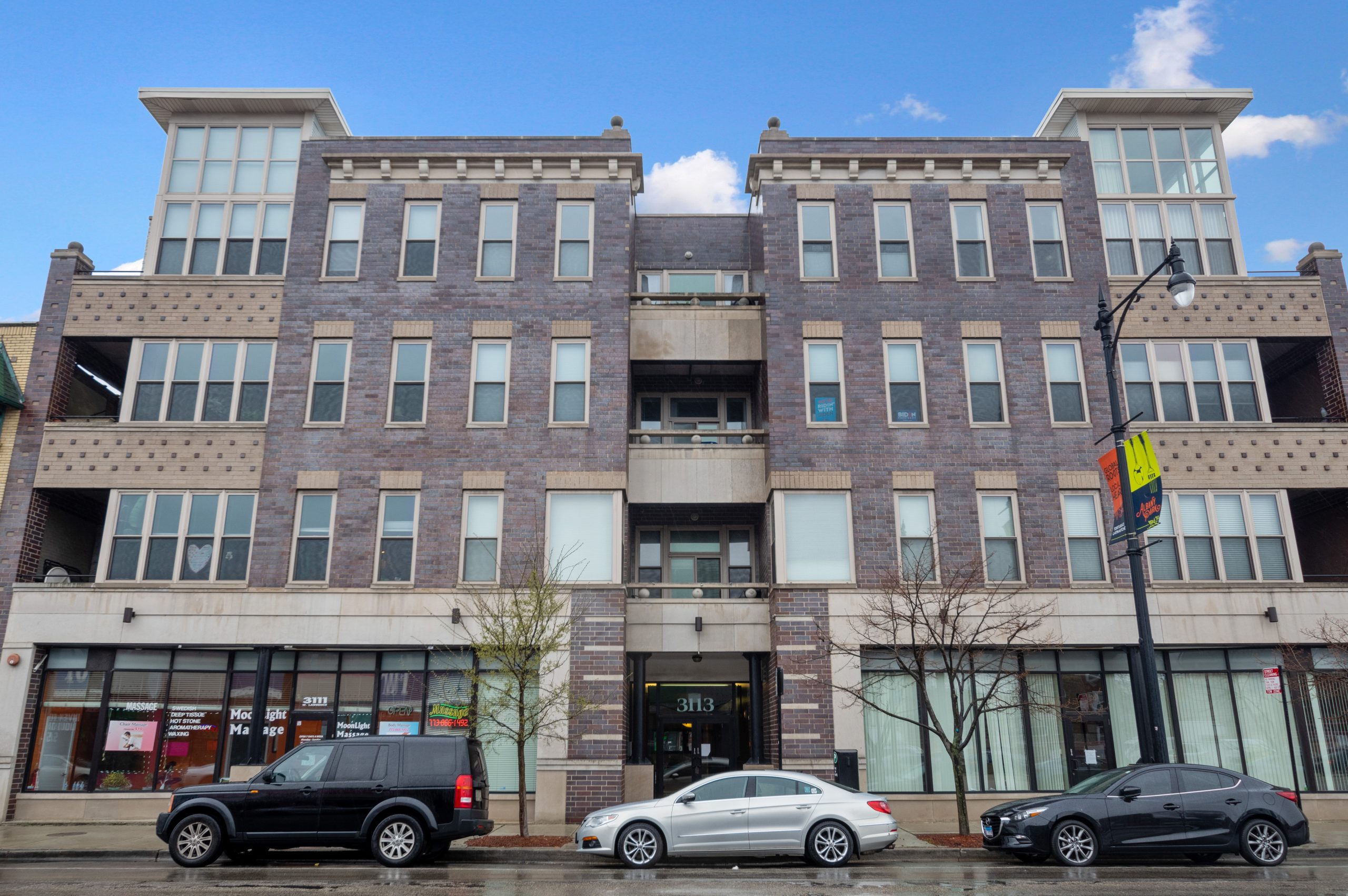
Buying a condo in Chicago is an exciting step, whether you’re moving into the city for the first time, upgrading from a rental, or searching for a more maintenance‑free lifestyle. And because Chicago’s condo market is so unique, understanding how it works can help you feel more confident, more prepared, and ultimately more successful in your search.
In this guide, you’ll find a simple breakdown of what to expect, what to look for, and how to make smarter decisions as a condo buyer in the Chicagoland area.
Why Chicago’s Condo Market Stands Out
Chicago is known for its diverse housing styles, and condos are no exception. From vintage brick walk‑ups to shimmering high‑rises along the lakefront, the city offers something for nearly every lifestyle and budget. However, this variety also means the market changes quickly from one neighborhood to the next.
For example, while some communities experience fast-moving inventory, others offer more opportunities for negotiation. Even better, condo pricing can shift dramatically from block to block, making it especially important to understand local trends. As a result, focusing on how you want to live — rather than just the features inside the unit — is often the best place to start.
Types of Condos You’ll See Throughout Chicago
Because Chicago’s neighborhoods each have their own character, you’ll find several different condo styles as you explore the city. Here’s a quick overview to help you compare options more easily.
1. Vintage Walk-Ups
Often found in Lakeview, Andersonville, and Lincoln Park, these homes offer:
- Tons of charm
- High ceilings and hardwood floors
- Lower HOA fees
- Limited amenities
If you love classic Chicago architecture and prefer a more intimate building, a vintage condo may be perfect for you.
2. Mid-Rise Buildings
Mid-rises strike a great balance and can be found across neighborhoods like Uptown, South Loop, and North Center. They usually offer:
- Elevators
- Small fitness centers
- Garage or exterior parking
- Modern layouts
These buildings are ideal for buyers who want convenience without the higher costs of full amenity buildings.
3. High-Rise Towers
You’ll see the most high-rises in River North, Gold Coast, Streeterville, and West Loop. They typically feature:
- Doormen
- Fitness centers
- Rooftops and pools
- Higher HOA fees
If you’re looking for hotel-style amenities and city views, a high-rise might be the right fit.
4. Loft Conversions
Chicago’s iconic lofts are especially common in West Loop and South Loop. Expect:
- Exposed brick
- Timber beams or concrete ceilings
- Open layouts
- Industrial charm
Lofts offer a blend of history and modern living, perfect for buyers who want something more creative and unique.
5. New Construction Condos
Many neighborhoods — including Logan Square, West Town, and Bucktown — are seeing new developments with:
- Contemporary designs
- Energy-efficient systems
- New appliances
- Modern amenities
These homes appeal to buyers who want low-maintenance living and the latest features.
What Chicago Condo Buyers Should Pay Attention To
Although choosing a condo is partly emotional, it’s also strategic. Here are the most important factors to keep in mind while you search.
1. HOA Fees and Financial Reserves
HOA fees cover things like water, maintenance, amenities, and insurance. However, it’s equally important to review the building’s financial reserves because strong reserves help prevent unexpected special assessments. As you compare buildings, look beyond the monthly fee and consider long‑term financial stability too.
2. Rental and Occupancy Rules
Every building has its own rules. Some allow rentals freely, while others restrict them. Even if you plan to live in the condo long-term, having future flexibility can be valuable. Therefore, ask early about rental caps, owner-occupancy requirements, and board approval policies.
3. Parking Options
Parking varies significantly throughout the city. Although some buildings offer deeded garage spaces, others rely on outdoor spots, leased parking, or street permits. Knowing your parking needs upfront will save you time and stress as you narrow down your options.
4. Transit and Walkability
Because Chicago is so connected, transit access can dramatically improve your day-to-day life. Look at train lines, bus routes, grocery stores, parks, and neighborhood walkability. As a bonus, homes with strong transit access often maintain better resale value.
5. Building Age and Maintenance History
Older buildings offer unique character, while newer ones provide updated systems and lower maintenance needs. Still, every building, no matter the age, requires regular upkeep. Reviewing inspection reports, upcoming projects, and association meeting minutes can help you avoid surprises later.
Neighborhoods Chicago Condo Buyers Love
Chicago is a city of micro-neighborhoods, each with its own vibe. As you explore your options, consider how each area matches your lifestyle.
Lakeview
Lively, walkable, and packed with restaurants. Great for first‑time buyers and fans of an active, neighborhood feel.
Lincoln Park
Tree-lined streets, lakefront access, and long-term appreciation. Ideal for buyers who want a balanced, upscale feel.
West Loop / Fulton Market
Trendy, modern, and rapidly growing. A favorite for loft lovers, foodies, and anyone who wants a dynamic urban environment.
South Loop
A mix of high-rises and lofts with easy access to museums, parks, and transit. Offers strong value and variety.
River North
Vibrant, amenity-rich, and perfect for luxury condo living close to dining and entertainment.
Rogers Park & Edgewater
More affordable lakefront living with strong community vibes and diverse housing options.
Tips for a Smooth and Successful Condo Purchase
1. Get Pre-Approved Early
Pre-approval not only clarifies your budget but also strengthens your position when you’re ready to make an offer.
2. Work With an Experienced Local Agent
Chicago’s condo market changes quickly. A knowledgeable local agent can help you identify strong buildings, spot red flags, and understand price trends neighborhood-by-neighborhood.
3. Review Condo Docs Carefully
Financial statements, rules, reserves, and upcoming projects tell the story of the building’s health and stability. Taking the time to understand them is essential.
4. Think Long-Term
Even if your next chapter feels clear today, life can change. Because of that, it’s smart to choose a condo that offers flexibility, solid resale potential, and a building structure that supports your long-term plans.
5. Evaluate the Entire Building, Not Just the Unit
Floor plans matter — but so do noise levels, pet policies, amenities, parking, security, and building management. A great building can elevate your living experience in ways a single unit cannot.
Final Thoughts: Your Next Step
Buying a condo in Chicago is a smart move when you understand the market and know what to look for. And the good news is that you don’t have to navigate it alone. When you work with a local Coldwell Banker agent who understands neighborhood trends, building financials, and long‑term resale strength, the entire journey becomes smoother, clearer, and more enjoyable.
If you’re ready to begin your search — or even if you’re just exploring options — I’m here to guide you every step of the way with clarity, strategy, and confidence.
Let’s find the Chicago condo that truly feels like home.
Greg Smith – Coldwell Banker Realty
Real Estate Broker | Chicago & Suburbs
📞 773‑951‑6634
📧 Greg.Smith@cbexchange.com
🌐 SmithandStraton.com
Your trusted partner for modern marketing, strong negotiation, and a smoother real estate experience.
