

 Facebook
 X
 Pinterest
 Copy Link
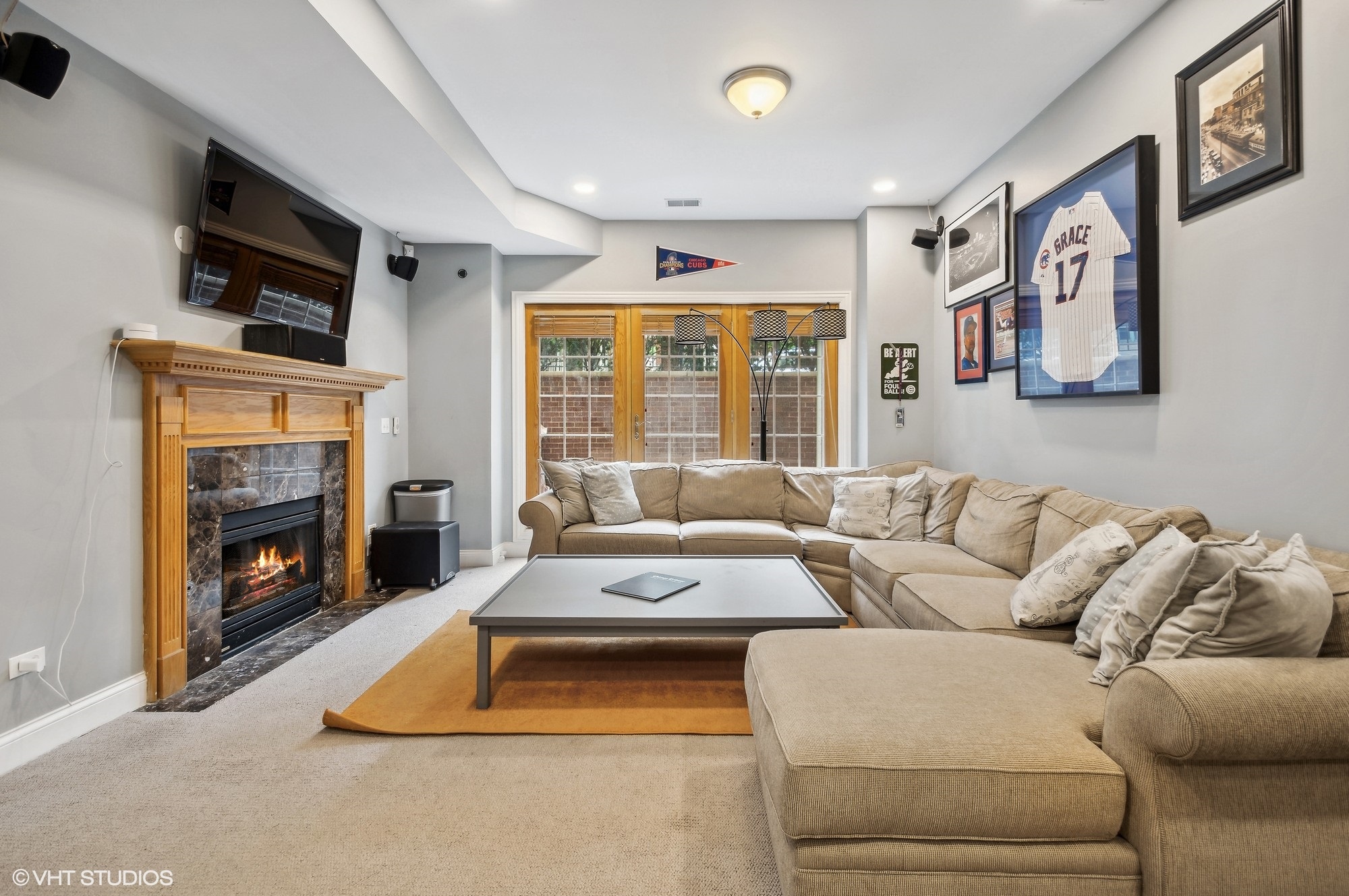
Have you ever walked into a home and immediately thought, “This feels right?”
On the other hand, you’ve probably toured homes that checked every box on your wish list but somehow failed to create the same feeling.
Most buyers assume that reaction is purely emotional. However, there is usually much more happening behind the scenes. In fact, buyers often make subconscious judgments within the first few minutes of entering a property.
While logic ultimately helps people decide whether a home makes financial sense, emotion often determines whether a buyer can imagine living there.
So why do some homes create an instant connection while others struggle to make an impression?
Let’s take a closer look.
The First Impression Happens Faster Than Most Sellers Realize
Many homeowners believe buyers carefully analyze every feature before forming an opinion.
In reality, the process often works in reverse.
First, buyers develop a feeling about the home. Then, they use facts and features to justify that feeling.
As a result, those first moments matter more than many sellers realize.
The driveway.
The front door.
The landscaping.
The foyer.
The lighting.
All of these elements combine to create an impression before buyers ever reach the kitchen or primary bedroom.
Consequently, two homes with similar layouts and square footage can generate very different reactions.
Buyers Are Looking for Comfort, Not Perfection
One common misconception is that buyers fall in love with perfect homes.
However, perfection is rarely what creates excitement.
Instead, buyers are typically searching for comfort, functionality, and a sense of belonging.
For example, a home with slightly older finishes may generate stronger interest than a newly renovated property if it feels warm, welcoming, and easy to envision living in.
Buyers often ask themselves questions such as:
- Could I see myself living here?
- Would my furniture fit?
- Can I picture hosting friends and family?
- Does this home match my lifestyle?
- Could this be home for the next several years?
If the answer becomes clear quickly, buyers tend to feel a stronger connection.
Natural Light Has a Huge Impact
One of the most powerful influences on buyer perception is natural light.
Bright spaces generally feel:
- Larger
- Cleaner
- More welcoming
- More valuable
Because of this, homes with abundant natural light often perform better during showings.
Conversely, dark rooms can make buyers feel uneasy without understanding exactly why.
This is one reason professional photographers prioritize lighting and why experienced agents often recommend opening blinds, raising shades, and strategically adjusting lighting before showings begin.
Even during Chicago winters, maximizing available light can dramatically improve a home’s presentation.
Clutter Creates Mental Obstacles
Buyers need to picture their future.
Unfortunately, clutter makes that difficult.
When buyers encounter crowded rooms, overflowing closets, or excessive personal items, they spend more time looking at possessions than evaluating the home itself.
As a result, they struggle to establish an emotional connection.
That’s why decluttering remains one of the most effective and least expensive preparation strategies.
A clean, organized space feels larger and allows buyers to imagine their own lives unfolding there.
Layout Matters More Than Square Footage
Many homeowners focus heavily on square footage.
However, buyers often care more about how a home functions.
A well-designed 1,800-square-foot home may feel significantly larger than a poorly designed 2,200-square-foot home.
Buyers pay close attention to:
- Room flow
- Furniture placement
- Traffic patterns
- Storage options
- Everyday practicality
Therefore, the homes that “feel right” frequently make daily living seem effortless.
When rooms flow naturally and spaces serve clear purposes, buyers become more comfortable almost immediately.
Emotional Triggers Often Drive Decisions
Even highly analytical buyers make emotional decisions.
In fact, some of the strongest reactions occur when a home reminds buyers of something positive.
Perhaps the kitchen feels similar to a childhood home.
Maybe the backyard resembles a place where they envision family gatherings.
Or perhaps the reading nook reminds them of a favorite vacation rental.
These emotional triggers help buyers move beyond evaluating a property and begin imagining a future within it.
That shift is powerful.
When it happens, homes often become memorable long after the showing ends.
Cleanliness Influences Perceived Value
Buyers frequently associate cleanliness with overall maintenance.
A spotless property suggests care and attention.
Meanwhile, dirty surfaces, unpleasant odors, or deferred maintenance can raise concerns about larger issues.
Even if major systems are in excellent condition, a poorly maintained appearance can cause buyers to question the home’s value.
Because of that, professional cleaning often delivers one of the highest returns on investment before listing.
A clean home simply feels better.
Buyers Notice Energy More Than Features
This may sound surprising, but many buyers remember how a home felt long after they forget specific details.
Weeks after multiple showings, buyers often recall:
- The bright house
- The cozy house
- The welcoming house
- The cramped house
- The dark house
Notice these descriptions are emotional rather than technical.
That’s because people naturally remember experiences and feelings more easily than facts.
Consequently, creating a positive overall atmosphere can be just as important as highlighting property features.
Why This Matters for Chicago Sellers
Chicago buyers have more information available than ever before.
They can review hundreds of photos, watch video tours, analyze neighborhood data, and compare properties online before scheduling a showing.
As a result, the homes that stand out are often those that create an immediate emotional connection once buyers arrive.
The good news is that many factors influencing buyer perception are completely within a seller’s control.
Proper staging.
Thoughtful lighting.
Decluttering.
Deep cleaning.
Minor cosmetic improvements.
Together, these changes can dramatically improve how a home feels during showings.
Final Thoughts
When buyers say a home “just felt right,” they’re rarely talking about a single feature.
Instead, they’re responding to dozens of small details that collectively create comfort, confidence, and emotional connection.
Likewise, when a home doesn’t feel right, the cause is often not obvious. It may be lighting, clutter, room flow, maintenance, or simply the overall atmosphere.
Whether you’re buying or selling in Chicagoland, understanding these subtle influences can help you make better decisions and achieve stronger results.
If you’re thinking about selling your home, I’d be happy to discuss strategies to help your property make a powerful first impression.
Greg Smith
Managing Broker | REALTOR®
Coldwell Banker Realty
📞 773-951-6634
📧 Greg.Smith@cbexchange.com
🌐 SmithandStraton.com
