

 Facebook
 X
X
 Pinterest
 Copy Link
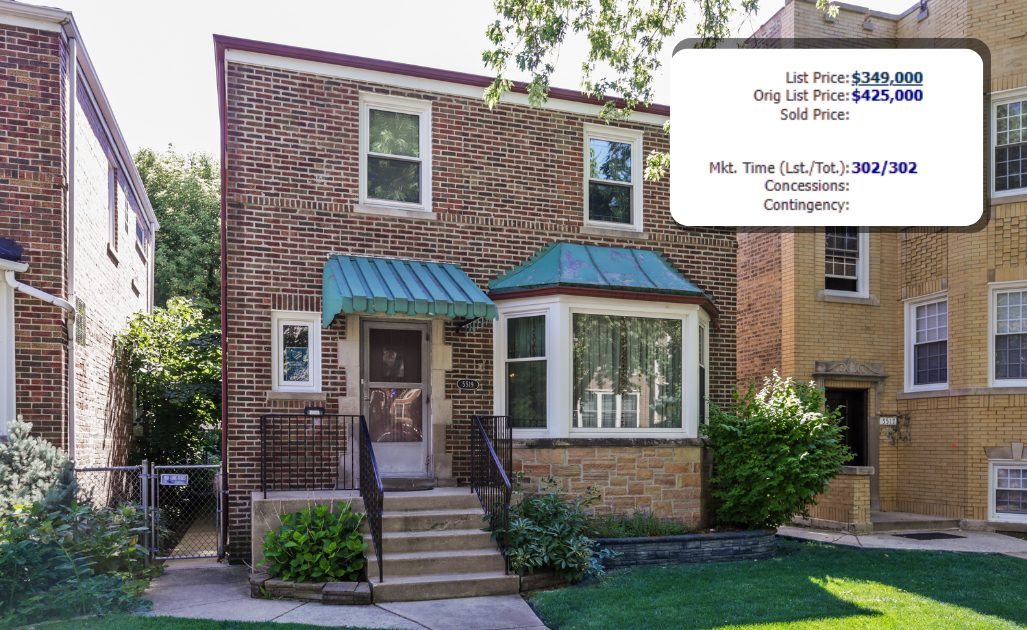
The Hidden Cost of Pricing Too High From the Start
What does “testing the market” mean when selling a home in Chicago?
“Testing the market” usually means listing a home above its likely market value to see if a buyer is willing to pay more.
While that sounds harmless, it rarely works as planned.
Instead, many sellers end up with fewer showings, less interest, and a lower final sale price than they could have achieved with the right strategy from the beginning.
Why So Many Chicago Sellers Want to Test the Market
The idea is understandable.
After all, every seller wants the highest possible price.
Many homeowners think:
- “We can always lower the price later.”
- “It only takes one buyer.”
- “Let’s start high and see what happens.”
At first, that approach feels safe.
However, Chicago buyers have more information than ever before. They compare listings constantly. They know what similar homes are selling for. As a result, overpriced homes stand out quickly.
Because of that, testing the market often creates problems instead of opportunities.
The First Few Weeks Matter Most
When a home first hits the market, it receives the most attention.
New listings appear in buyer searches.
Agents share them with clients.
Interested buyers schedule showings.
This early period is when excitement is highest.
Because of that, sellers have a limited window to create momentum.
When pricing is too high, that momentum disappears quickly.
Many buyers simply move on to better values.
As a result, the home misses its best opportunity to attract strong interest.
Mini-FAQ
When does a listing receive the most buyer attention?
Most listings receive the greatest amount of attention during their first few weeks on the market. That is why pricing correctly from day one is critical.
Chicago Buyers Are Extremely Price-Aware
Today’s buyers shop differently.
Before scheduling a showing, they compare:
- Similar homes
- Recent sales
- Price per square foot
- Property condition
- Neighborhood location
Because of that, buyers quickly identify homes that seem overpriced.
This is especially true in competitive Chicago neighborhoods.
For example, buyers searching in Edison Park, Norwood Park, Roscoe Village, Lincoln Square, Beverly, or Ravenswood often watch the market closely.
They know what represents value.
Therefore, when a home is priced noticeably above similar properties, buyers become skeptical.
Instead of wondering if the home is special, they often wonder what the seller is thinking.
Overpricing Reduces Showings
Many sellers focus on price alone.
However, exposure matters just as much.
A properly priced home attracts attention.
An overpriced home attracts hesitation.
As a result:
- Fewer buyers schedule appointments
- Fewer agents recommend the property
- Online engagement drops
This creates a cycle that becomes difficult to reverse.
Less traffic leads to less opportunity.
Less opportunity leads to fewer offers.
Eventually, price reductions follow.
Buyers Often Ignore Homes That Feel Overpriced
Most buyers create search ranges.
For example:
- Under $400,000
- $400,000 to $500,000
- $500,000 to $600,000
When a seller tests the market and prices above where the home belongs, visibility decreases.
A home worth $495,000 that is listed at $525,000 may miss hundreds of buyers searching below that threshold.
Because of that, the property receives less exposure from the very beginning.
The seller loses potential buyers before they even have a chance to visit.
Mini-FAQ
Can pricing slightly above market value hurt a listing?
Yes. Even a modest overpricing strategy can reduce visibility, decrease showings, and limit the buyer pool.
Days on Market Start Telling a Story
Buyers pay attention to more than the home itself.
They also notice how long it has been available.
When a property sits on the market, questions start to appear.
Buyers begin asking:
- Why hasn’t it sold?
- Is something wrong with it?
- Is the seller unrealistic?
Because of that, longer market times often create doubt.
Ironically, the longer a property sits, the more negotiating leverage shifts toward buyers.
Price Reductions Do Not Always Fix the Problem
Many sellers believe they can simply reduce the price later.
Unfortunately, it is not that simple.
By the time a reduction occurs:
- The newest listing period is gone
- Many buyers have moved on
- Agents may have stopped watching closely
As a result, a reduced price often receives less excitement than an accurately priced launch would have generated.
Even worse, repeated reductions may signal weakness.
Instead of creating urgency, they encourage buyers to negotiate even harder.
The Market Does Not Reward Wishful Thinking
Every seller has a number in mind.
That is normal.
However, buyers do not purchase homes based on a seller’s goals.
Instead, they buy based on value.
Because of that, emotional pricing rarely succeeds.
The market responds to facts.
Those facts include:
- Comparable sales
- Current competition
- Condition
- Location
- Buyer demand
When pricing ignores these factors, results suffer.
Mini-FAQ
Should sellers price based on what they need to make?
No. Buyers focus on market value, not a seller’s financial goals.
Chicago Neighborhoods Move at Different Speeds
One mistake sellers make is assuming all Chicago markets behave the same way.
They do not.
For example, a home in one neighborhood may attract multiple offers within days.
Meanwhile, a similar property elsewhere may require a different strategy.
Because of that, pricing must be local.
A successful strategy in Lincoln Park may not work in Jefferson Park.
Likewise, what works in Andersonville may not work in Mount Greenwood.
Understanding neighborhood-specific buyer behavior is essential.
Correct Pricing Creates Competition
Many sellers fear leaving money on the table.
Ironically, overpricing often does exactly that.
When pricing aligns with buyer expectations:
- Showings increase
- Interest builds
- Competition grows
As a result, multiple buyers may emerge.
Strong demand creates leverage.
Leverage creates stronger offers.
This is why correctly priced homes often outperform homes that start too high.
Buyers Want Confidence
Today’s buyers are careful.
Higher interest rates and affordability concerns have made buyers more selective.
Because of that, confidence matters.
When buyers see:
- Fair pricing
- Good condition
- Strong presentation
They respond positively.
However, when pricing feels disconnected from reality, confidence fades.
Without confidence, buyers hesitate.
Without urgency, offers become less likely.
What Sellers Should Do Instead
Rather than testing the market, sellers should test their assumptions.
Start with facts.
Review:
- Recent sales
- Active competition
- Market trends
- Buyer activity
Then create a pricing strategy designed to attract attention.
The goal is not to chase the highest list price.
Instead, the goal is to maximize buyer interest.
Those are very different things.
Signs a Home Is Priced Correctly
A well-priced home typically generates:
- Strong online traffic
- Consistent showings
- Positive feedback
- Serious buyer interest
While every property is different, these signals indicate alignment between price and market expectations.
Because of that, sellers should measure market response early.
Strong feedback usually confirms the strategy.
Weak feedback usually signals the need for adjustment.
Mini-FAQ
How do I know if my home is priced correctly?
Consistent showings, positive buyer feedback, and strong interest during the first few weeks are all positive indicators.
Final Thoughts
Testing the market sounds harmless.
However, in many Chicago neighborhoods, it creates unnecessary risk.
Today’s buyers are informed. They compare options carefully. They recognize value quickly.
Because of that, overpricing often reduces exposure, slows momentum, and weakens negotiating power.
A strong sale does not begin with a high number.
Instead, it begins with the right strategy.
When sellers price correctly from day one, they create interest, build competition, and position themselves for a stronger outcome.
Let’s Talk
If you’re thinking about selling and want to understand what your home is worth in today’s Chicago market, I’d be happy to help.
Greg Smith
Coldwell Banker Realty
📞 773-951-6634
📧 Greg.Smith@cbexchange.com
🌐 www.SmithandStraton.com
