

 Facebook
 X
X
 Pinterest
 Copy Link
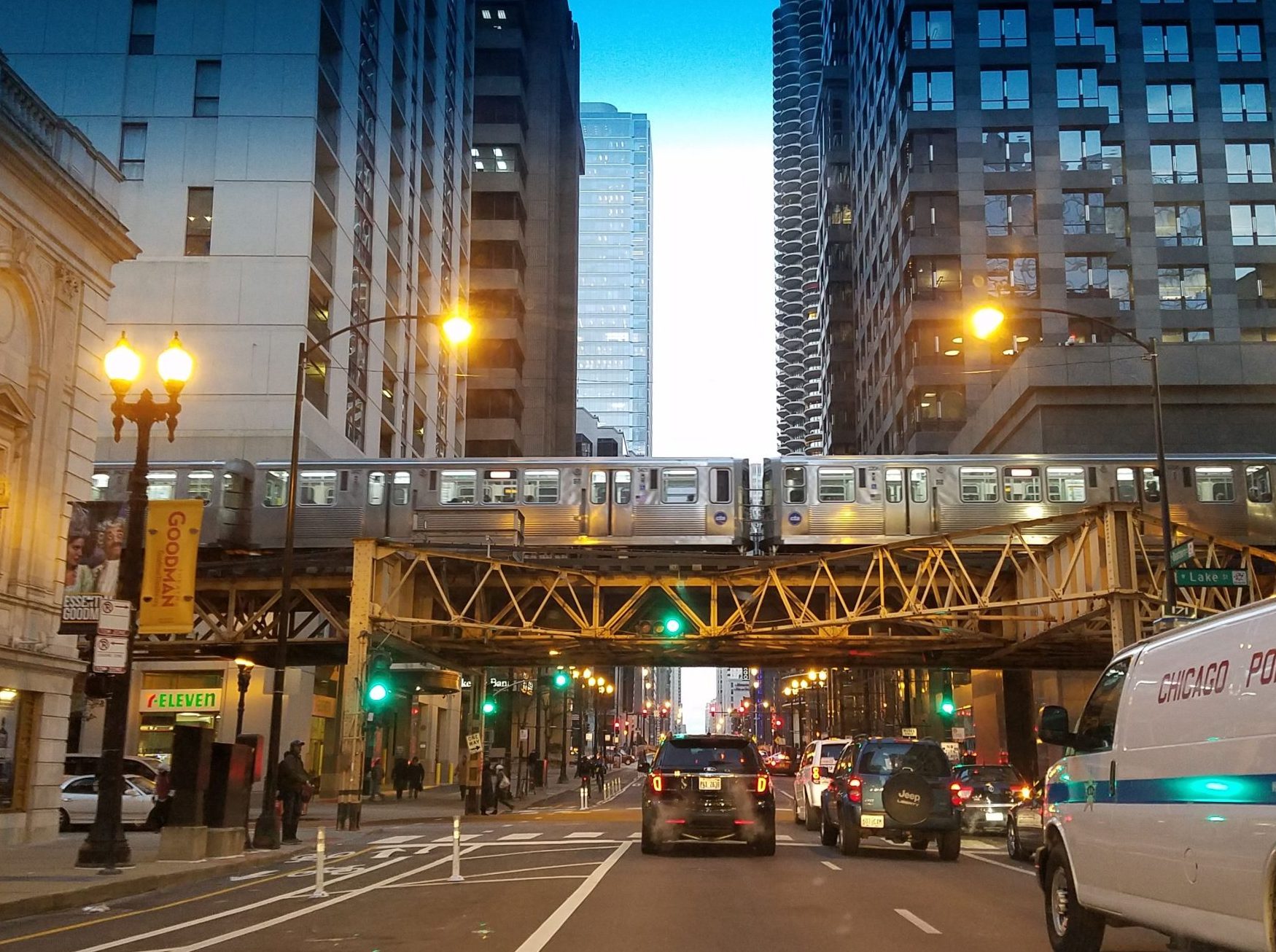
If you’re buying a home in Chicago right now, there’s a good chance you’re facing one of the most common—and most important—decisions in the process:
Do I want walkability, or do I want space?
In 2026, this question carries more weight than ever before. Buyer priorities have evolved. Lifestyles have shifted. And what mattered five or even ten years ago doesn’t always apply today.
Chicago buyers are thinking more intentionally. Instead of chasing a specific ZIP code or trend, they’re evaluating how a home truly supports their daily life. As a result, the conversation around walkability versus space has become central to nearly every buying decision.
Let’s break down how Chicago buyers are approaching this choice, what each option really offers, and how to decide which path makes sense for you.
Why This Decision Looks Different in 2026
Chicago has always been a city of contrasts. Dense, walkable neighborhoods exist just minutes from quieter, more spacious areas. That variety is part of the appeal—but it also makes choosing harder.
Today’s buyers are balancing more factors at once:
- Hybrid and remote work
- Rising ownership costs
- Long‑term lifestyle flexibility
- Mental and physical comfort at home
Because of that, buyers are no longer willing to compromise by default. Instead, they’re asking better questions and making more thoughtful trade‑offs.
What Walkability Really Means for Chicago Buyers
Walkability goes far beyond simply being able to walk outside.
For most Chicago buyers, true walkability includes:
- Grocery stores, coffee shops, and restaurants nearby
- Easy access to CTA trains and buses
- The ability to live with one car—or no car at all
- Neighborhoods that feel connected and active
Living in a walkable area often means being able to say yes to last‑minute plans and errands. Everything feels closer. Life feels easier.
However, walkability often comes with compromises.
Buyers who choose walkable neighborhoods usually accept:
- Smaller living spaces
- Condo or townhouse layouts
- Higher demand and competition
- HOA rules and monthly assessments
Even so, many buyers feel the lifestyle benefits are worth it.
Chicago Neighborhoods Where Walkability Takes Priority
In 2026, several Chicago neighborhoods continue to attract buyers who place walkability at the top of their list.
Lakeview
Lakeview remains a favorite for buyers who want everything close by. Restaurants, transit, lakefront access, and neighborhood energy are major draws. Homes here tend to be condos, and square footage isn’t always generous—but the lifestyle keeps demand strong.
Lincoln Park
Lincoln Park offers exceptional walkability paired with long‑term value. While entry‑level options tend to be smaller, many buyers are willing to trade space for access to parks, dining, and transit.
West Loop
For buyers who want a modern, urban feel, West Loop delivers. Walkability here centers around dining, work proximity, and entertainment. Living spaces are often condos, but building amenities help offset space limitations.
South Loop
South Loop appeals to buyers who want walkability with slightly more breathing room. Newer buildings and transit access make this area a practical choice for downtown‑focused lifestyles.
The common thread:
Buyers choosing these neighborhoods value convenience and connection over square footage.
What Buyers Mean When They Say They Want “Space”
Space isn’t just about size—it’s about how a home functions.
In 2026, buyers looking for space are often prioritizing:
- A dedicated home office or two
- Storage that feels manageable, not cramped
- Clear separation between work and living areas
- Outdoor space for pets, kids, or entertaining
- Peace and quiet during the day
Space provides flexibility. It allows a home to adapt as life changes.
While space usually means fewer walkable amenities, many buyers see that trade‑off as worthwhile.
Chicago Neighborhoods Where Space Comes First
Several areas consistently attract buyers who want more room without leaving the city.
Irving Park
Irving Park offers classic Chicago homes, wider streets, and realistic space options. Many buyers here value privacy and long‑term ownership potential.
Portage Park
Known for bungalows and larger homes, Portage Park appeals to buyers who want usable layouts and yards. Walkability exists in pockets, but space leads the conversation.
Jefferson Park
This area attracts buyers focused on functionality. Homes often include garages, basements, and multiple levels—features that are harder to find in denser neighborhoods.
Beverly
Beverly offers a true neighborhood feel, with larger properties and green space. While less urban, it remains an attractive option for buyers planning to stay put.
The shared mindset:
Buyers here want their homes to support their daily routine—not restrict it.
How Work Patterns Continue to Shape Buyer Choices
Work‑from‑home may look different than it did several years ago, but flexibility is here to stay.
As a result, buyers increasingly value:
- Quiet daytime environments
- Space for video calls and focus
- The ability to close a door at the end of the workday
This shift has made space more valuable for many buyers—even those who previously favored walkability.
At the same time, buyers with firm office schedules may still prioritize easy commutes and transit access. Again, it comes down to lifestyle alignment.
Budget Reality: The Deciding Factor
Budget often turns walkability versus space into a practical decision rather than a philosophical one.
At the same price point, buyers typically choose between:
- A walkable condo in a prime location
- A larger home farther from the city core
What’s important is understanding the true cost of each option.
Walkable living may involve:
- Higher purchase prices per square foot
- Monthly HOA dues
- Parking costs
More spacious living may include:
- Maintenance responsibilities
- Property taxes on larger homes
- Commute‑related expenses
Neither option is better—it just depends on what you value most.
The Growing Appeal of “Balanced” Neighborhoods
Interestingly, some Chicago neighborhoods are gaining popularity specifically because they offer a middle ground.
Buyers are increasingly drawn to areas that provide:
- Walkable access to daily essentials
- Slightly larger homes or condos
- Transit options without full downtown density
Neighborhoods often fitting this description include:
- Ravenswood
- Roscoe Village
- Avondale
- Uptown
These areas give buyers flexibility, which explains why competition continues to rise.
Thinking Beyond Today: Long‑Term Value Matters
Smart buyers in 2026 are thinking ahead.
They’re asking:
- Will this home still work if my routine changes?
- Can I grow into this space?
- How easy will this be to resell?
A walkable condo might be perfect now. A more spacious home may offer longer‑term comfort. Understanding that distinction early helps buyers avoid regret later.
The Right Choice Is the One That Fits You
The biggest mistake buyers make is assuming there’s a “correct” answer.
There isn’t.
Some people thrive in walkable neighborhoods. Others need more room to breathe. The key is honesty—about your habits, your plans, and your priorities.
Once those are clear, the decision becomes much simpler.
Final Takeaway
Chicago offers rare diversity in housing options. Walkability and space each bring real benefits—and real trade‑offs.
The best choice isn’t about trends or opinions. It’s about how you want to live every day.
If you’re unsure how to weigh those factors, having a personalized conversation can make all the difference.
Let’s Talk
Greg Smith
Coldwell Banker Realty
📞 773‑951‑6634
📧 Greg.Smith@cbexchange.com
🌐 www.SmithandStraton.com
